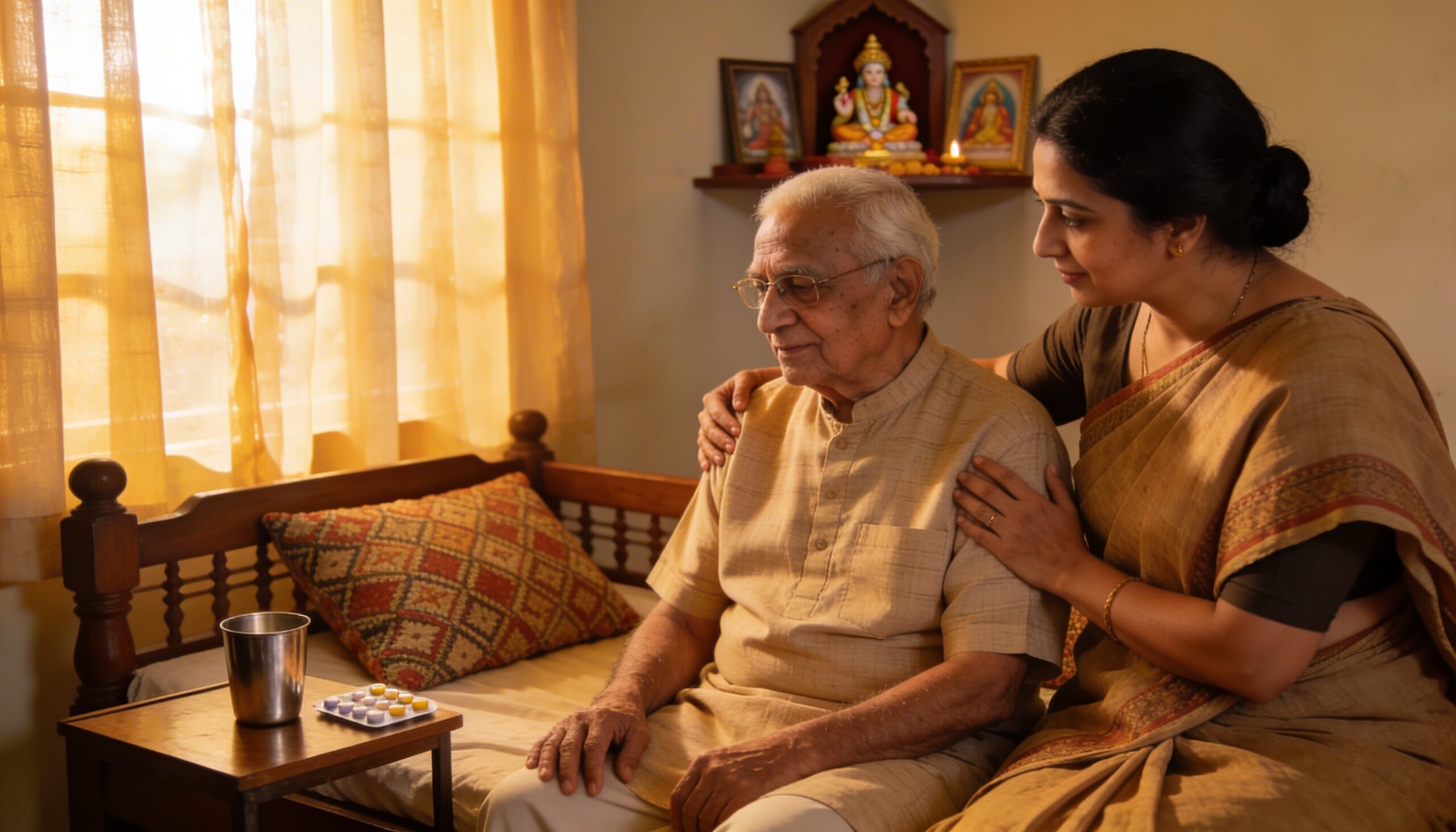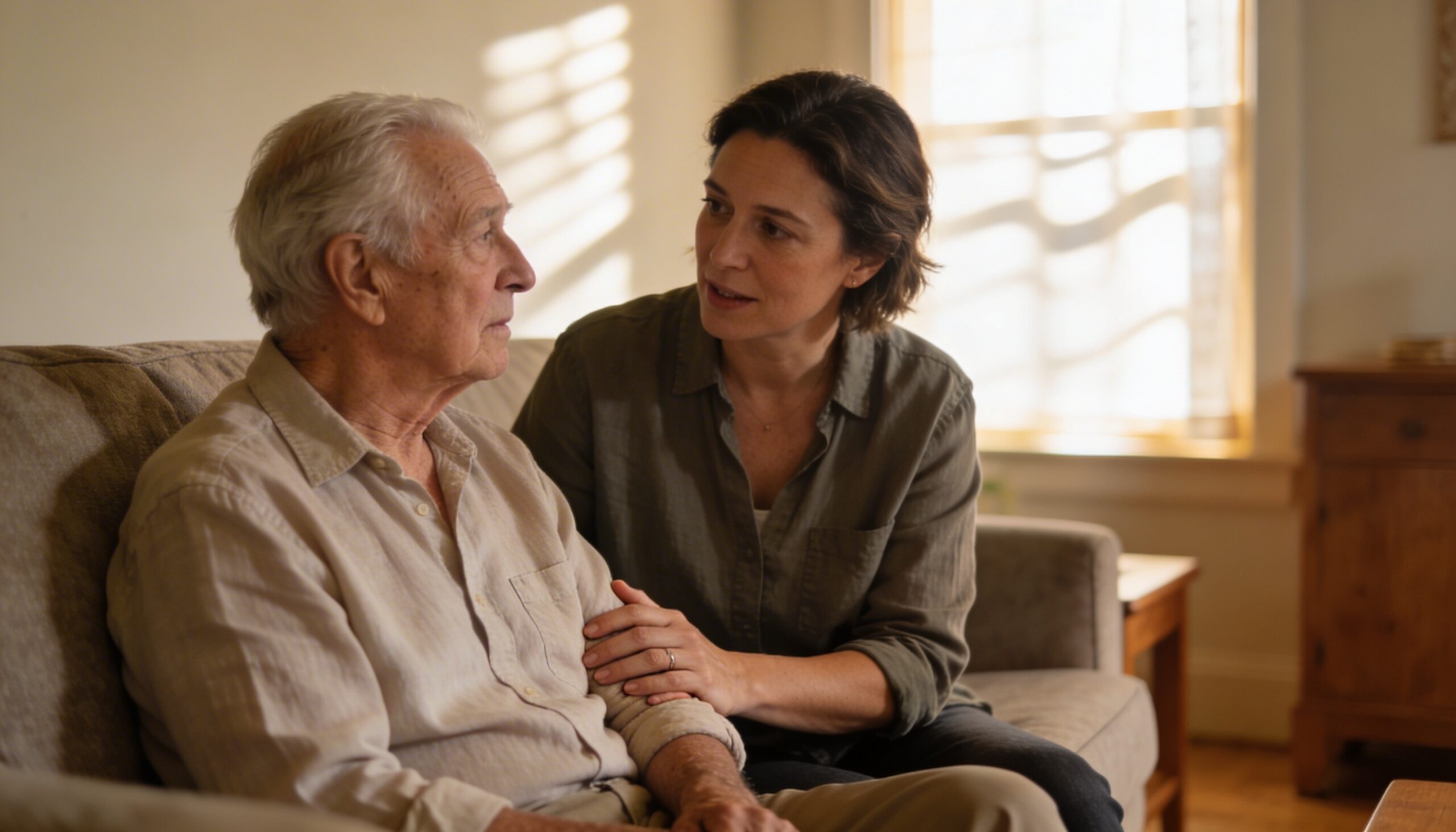
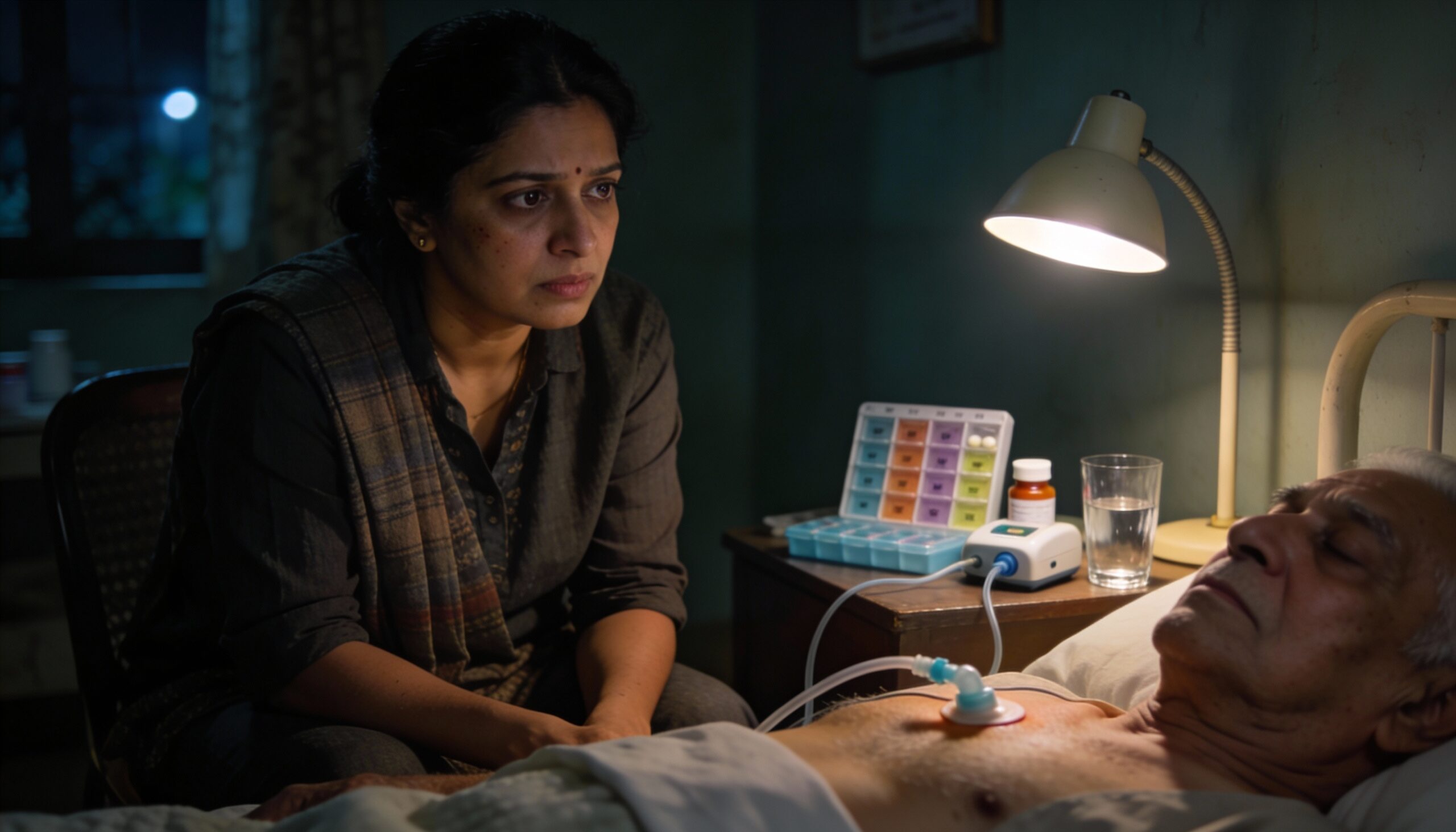
When I was taking care of my mother at home after she suffered a brain stroke, life had already changed in ways I was still trying to understand. She couldn’t speak. Communication became guesswork based on facial expressions, body movements, and intuition. Every small change felt significant, every silence unsettling.
A few days after discharge, I noticed something that didn’t feel right. Her breathing seemed laboured. Not dramatic, not obvious just different. I became more cautious, more alert. Then one night, she started making strange, unfamiliar sounds while breathing. Panic set in. There was no room for doubt or delay. I rushed her to the hospital.
What followed was a whirlwind of events tests, oxygen support, hurried conversations, forms, and finally, readmission into the hospital ward.
Ask any caregiver what they fear most, and the answer is almost universal:
readmission to the hospital.
Why Readmissions Are So Frightening for Caregivers
A hospital readmission is more than a clinical event. For caregivers, it often feels like:
- A confirmation of their worst fears
- A sense of personal failure—Did I miss something?
- Emotional exhaustion restarting just as recovery seemed possible
- Financial strain and logistical chaos
Readmission pulls caregivers back into a space of alarms, uncertainty, and loss of control often before they have even recovered from the first hospitalization.
What Is a Hospital Readmission?
Hospital readmission is defined as admission to an acute care hospital within 30 days of discharge from the same or another acute care facility.
- Discharge planning
- Continuity of care
- Patient and caregiver education
- Community and home-based support
For patients, readmission brings:
- Increased financial burden
- Psychological stress
- Higher risk of hospital-acquired infections
- Loss of confidence in recovery
For caregivers, it brings fear layered with guilt and helplessness.
Why Do Readmissions Happen?
Readmissions are rarely caused by a single factor. They result from a complex interaction between health system issues, patient factors, and caregiver preparedness.
System-Level Factors
- Poor follow-up practices after discharge
- Fragmented communication between hospital and primary care
- Shortened hospital stays with inadequate transition planning
- Unclear or rushed discharge instructions
Clinical Factors
- Drug interactions and medication side effects
- Inadequate symptom monitoring
- Complications related to surgery or chronic illness
Intrinsic Patient Factors
Research consistently shows higher readmission risk in patients with:
- Advanced age
- Multiple comorbidities
- Cognitive or communication impairments (e.g., stroke)
- Low literacy levels
- Low socio-economic status
But there is one factor that repeatedly emerges as modifiable and critical:
👉 The preparedness of the family caregiver.
The Discharge Gap: Where Things Often Go Wrong
Discharge is often treated as an endpoint. In reality, it is a handover—from a professional healthcare team to an informal caregiver.
Caregivers are suddenly expected to:
- Recognize early warning signs
- Manage medications accurately
- Handle feeding tubes, catheters, oxygen, or mobility aids
- Decide when symptoms are serious enough to seek help
Yet many caregivers leave the hospital feeling:
- Overwhelmed by information
- Unclear about “red flags”
- Afraid of asking questions
- Unsure whom to contact in an emergency
Unclear discharge instructions are one of the strongest predictors of early readmission, especially in elderly and neurologically impaired patients.
The Caregiver’s Fear: “What If I Miss Something?”
In my case, my mother could not speak. She could not tell me she was breathless. She could not describe discomfort. I had to rely on observation and instinct.
Many caregivers live with this constant fear:
- What if the signs are subtle?
- What if I mistake normal recovery for danger or danger for normal recovery?
Without proper training, caregivers are left navigating medical uncertainty alone. Readmission then becomes not just a medical event, but an emotional one often accompanied by self-blame.
Can Readmissions Be Reduced?
Yes. And evidence suggests that educating and training family caregivers is one of the most effective strategies.
Multiple studies show that structured caregiver education significantly reduces 30-day readmission rates, particularly for conditions like stroke, heart failure, and post-surgical recovery.
What Effective Caregiver Education Looks Like
- Clear, Simple Discharge Instructions
- Use of non-technical language
- Written and visual aids
- Teach-back method to confirm understanding
- Training on Red-Flag Symptoms
- What is expected vs concerning
- When to monitor vs when to seek help
- Emergency versus non-emergency signs
- Medication Education
- Purpose of each drug
- Timing, dosage, and side effects
- Potential interactions
- Demonstration of Care Tasks
- Feeding techniques
- Airway management
- Mobility and positioning
- Wound or catheter care
- Post-Discharge Support
- Follow-up calls
- Using mobile apps
- Contact numbers for questions
- Linkage to community health services
When caregivers feel prepared, they act earlier, more confidently, and more appropriately often preventing complications from escalating into emergencies.
Reframing Readmission: Not a Failure, but a Signal
It is important to say this clearly:
Readmission is not always a failure of the caregiver.
Sometimes it is unavoidable. Sometimes it is lifesaving. But frequent readmissions often signal gaps in communication, education, and support not a lack of love or effort.
Healthcare systems must recognize caregivers as partners in care, not passive recipients of instructions.
A Caregiver’s Hope
If someone had sat with me and said:
- “These breathing changes are concerning here’s what to watch for.”
- This is when you should come back immediately.”
perhaps my fear would have been less consuming even if the outcome was the same.
Closing Thoughts
Readmission is one of the heaviest fears caregivers carry because it represents uncertainty returning just when hope begins to grow.
Reducing readmissions is not just about hospital metrics. It is about:
- Empowering caregivers
- Honouring their role
- Supporting them at the most vulnerable transition point
Because when caregivers are educated, supported, and heard, everyone does better the patient, the family, and the healthcare system.