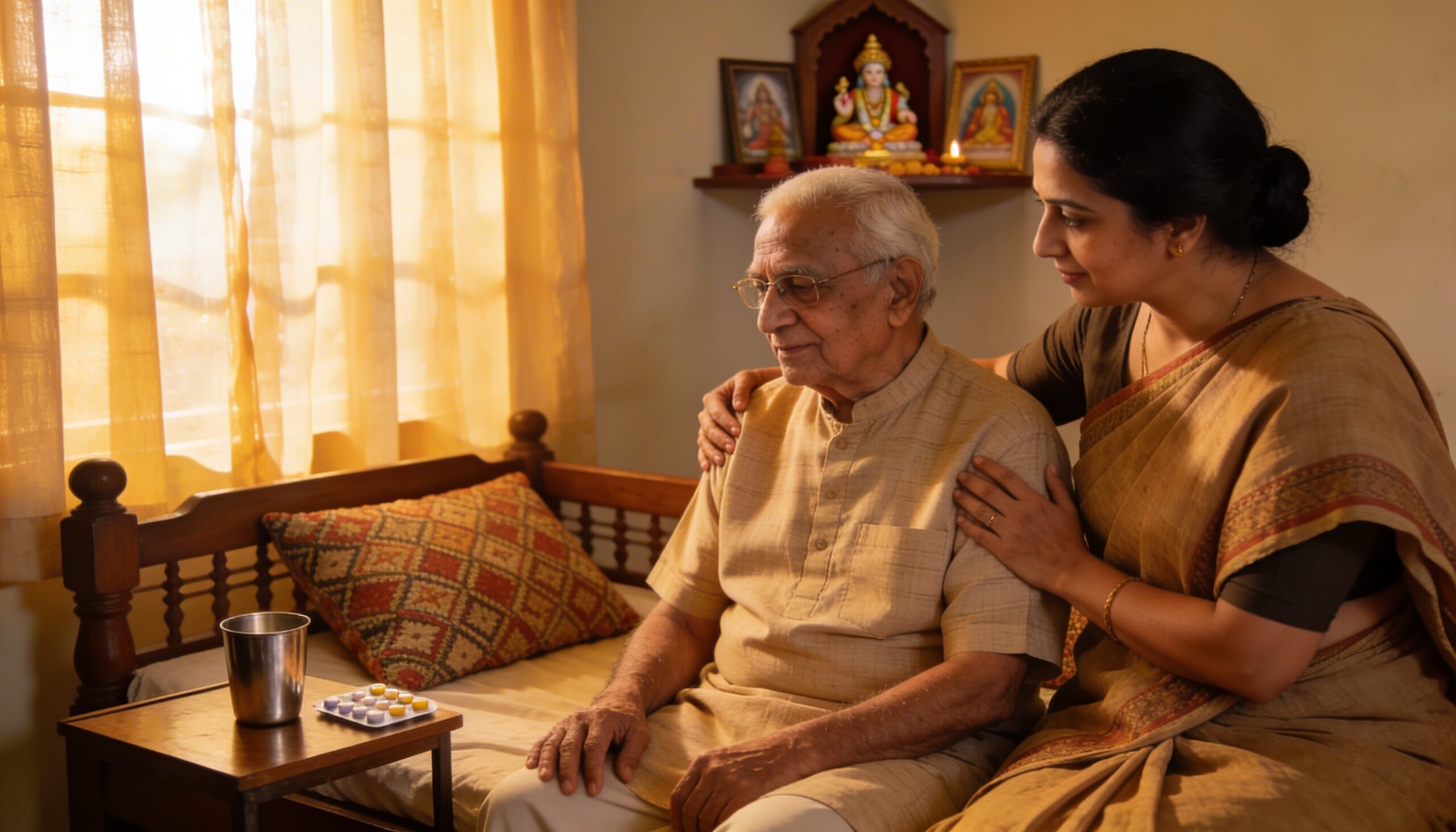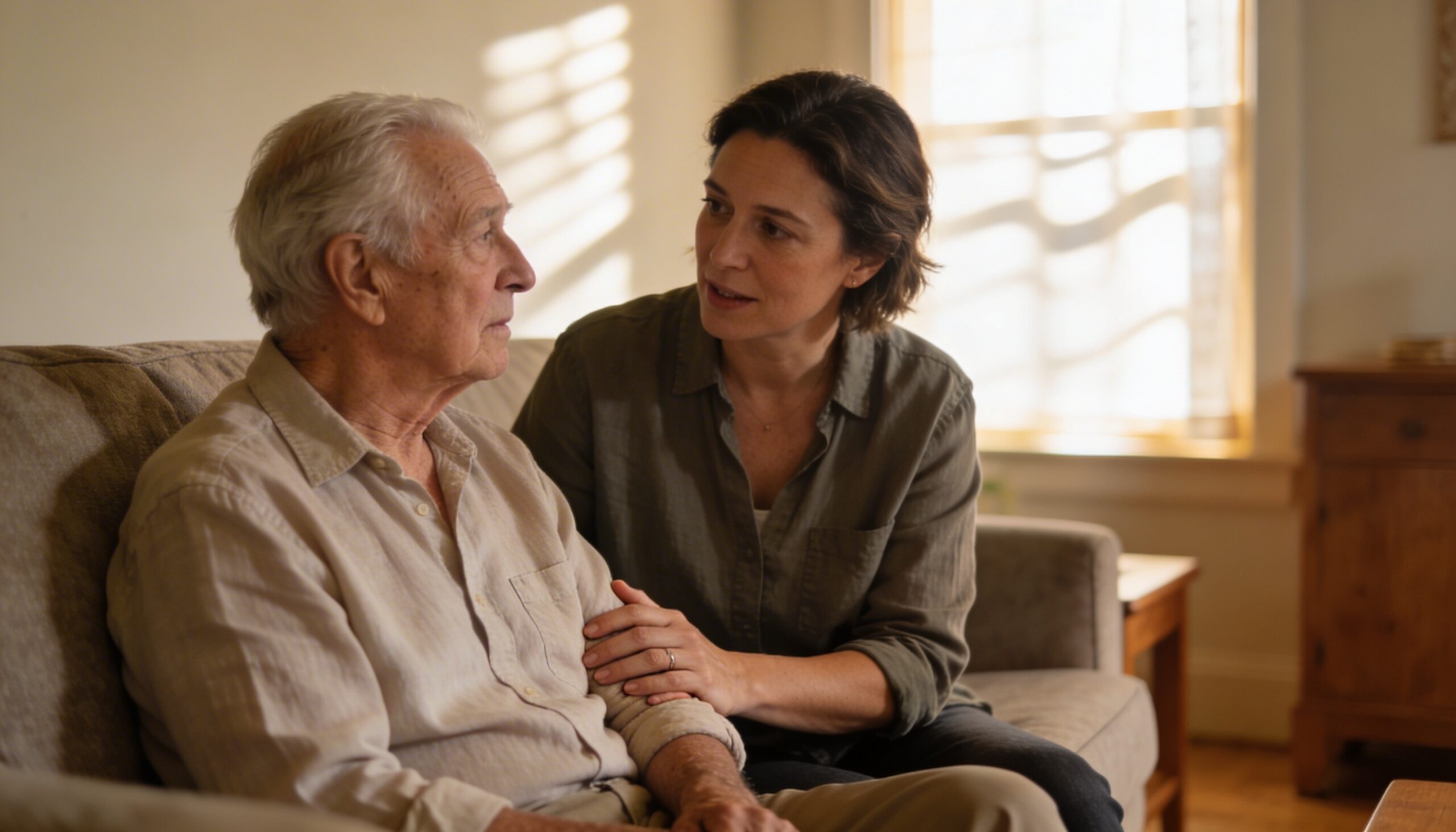
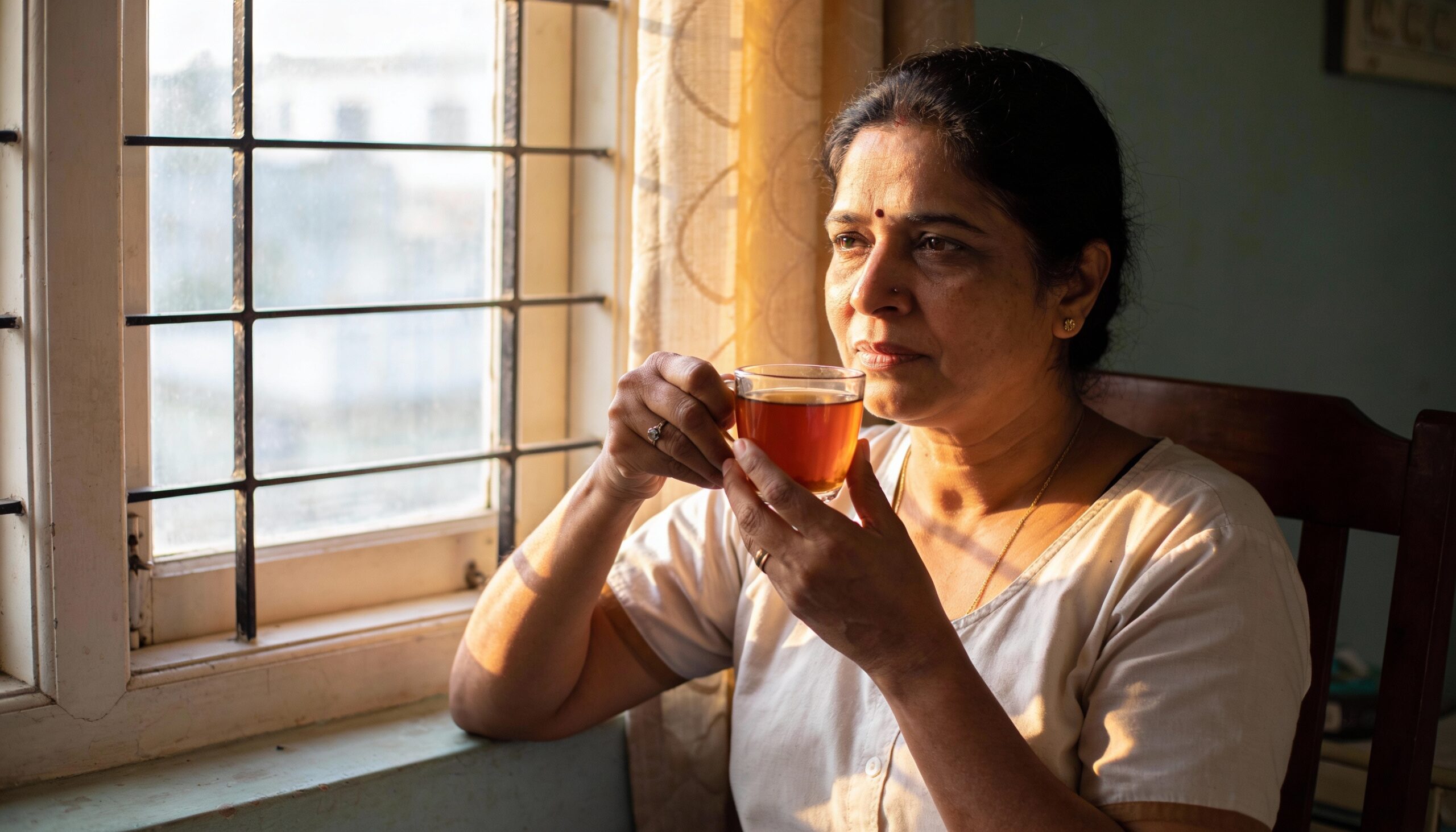
I once met an informal caregiver who deeply moved me.
She was caring for her terminally ill mother, but that was only one of the many roles she held. She was also a daughter, a professional, a wife, a mother, and a daughter-in-law. Her days were full, emotionally and physically demanding. Yet what stayed with me most was her smile calm, genuine, and resilient.
Despite constantly juggling responsibilities, she found moments of happiness.
It made me wonder, and perhaps you are wondering too:
Who was caring for her?
The simple answer is: she was caring for herself.
The Invisible Weight of Caregiving
Caregiving is often described as an act of love, and it is. But it is also a role that comes with stress, uncertainty, fatigue, and emotional strain. Most caregivers are not trained for this responsibility. They learn on the job making quick decisions, managing medical needs, navigating emotions, and often putting their own lives on pause.
Research consistently shows that informal caregivers are at higher risk for:
- Chronic stress
- Anxiety and depression
- Sleep disturbances
- Weakened immunity
- Burnout
And yet, caregivers rarely identify themselves as needing care.
At a workshop I once attended, a caregiver said, “I don’t have any time for myself.”
Behind that statement was frustration, exhaustion, and quiet unhappiness something many caregivers feel but hesitate to express.
Why Self-Care Is Not a Luxury
Caregiving is demanding. When you are overtired or emotionally overwhelmed, the risk of mistakes increases some of which can be life-threatening. This is not about blame; it is about reality.
An overwhelmed caregiver is not an incompetent person but overwhelm can make even the most capable caregiver less effective.
Taking care of yourself is not selfish. It is responsible.
Just as flight attendants remind us to put on our own oxygen mask first, caregivers must attend to their own wellbeing in order to care safely and compassionately for others.
Signs a Caregiver May Be Struggling
It is important to notice early signs of caregiver strain:
- Constant fatigue, even after rest
- Irritability or emotional numbness
- Feelings of guilt when resting
- Difficulty concentrating or making decisions
- Loss of interest in things once enjoyed
Acknowledging these signs is not weakness , it is awareness.
Practical Ways Caregivers Can Care for Themselves
Self-care does not have to mean long vacations or hours at the spa. It often looks small, realistic, and consistent.
1. Let Go of Perfection
You do not have to do everything perfectly. Caregiving requires flexibility. Some days will go as planned; many will not. Allow yourself to adapt rather than control every outcome.
Tip: Ask yourself, “Is this good enough for today?” and let that be enough.
2. Stop Being a Control Freak (Gently)
Wanting to manage everything is understandable, especially when someone you love is vulnerable. But doing everything alone increases exhaustion.
Tip: Delegate small tasks meals, errands, paperwork. Accept help without explaining or apologizing.
3. Prioritize Sleep
Sleep deprivation affects judgment, memory, mood, and physical health. Studies show caregivers often sleep less and experience poorer sleep quality.
Tip: Even short naps, consistent sleep routines, and asking someone to cover care for an hour can make a difference.
4. Nourish Your Body
Skipping meals or eating whatever is convenient may seem necessary, but poor nutrition worsens fatigue and stress.
Tip: Keep simple, nourishing foods accessible fruits, nuts, yogurt, soups. Eating well is not indulgence; it is fuel.
5. Move, Even a Little
Exercise reduces stress hormones and improves mood. It does not have to be intense.
Tip: A 10-minute walk, stretching, or gentle breathing exercises can reset your nervous system.
6. Give Yourself Emotional Permission
Caregivers often feel guilt for feeling tired, angry, or sad. These emotions are normal.
Tip: Talk to someone you trust. Write. Cry if you need to. You are allowed to feel what you feel.
Caring for Yourself Is Caring for Others
The caregiver who inspired me did not have an easy life. She had difficult days, moments of exhaustion, and deep emotional pain. But she understood one crucial truth:
She mattered too.
When caregivers care for themselves, they protect their health, preserve their compassion, and sustain their ability to care over time.
If you are a caregiver, remember this:
You are doing something incredibly meaningful.
You are allowed to rest.
And you deserve care – including from yourself.