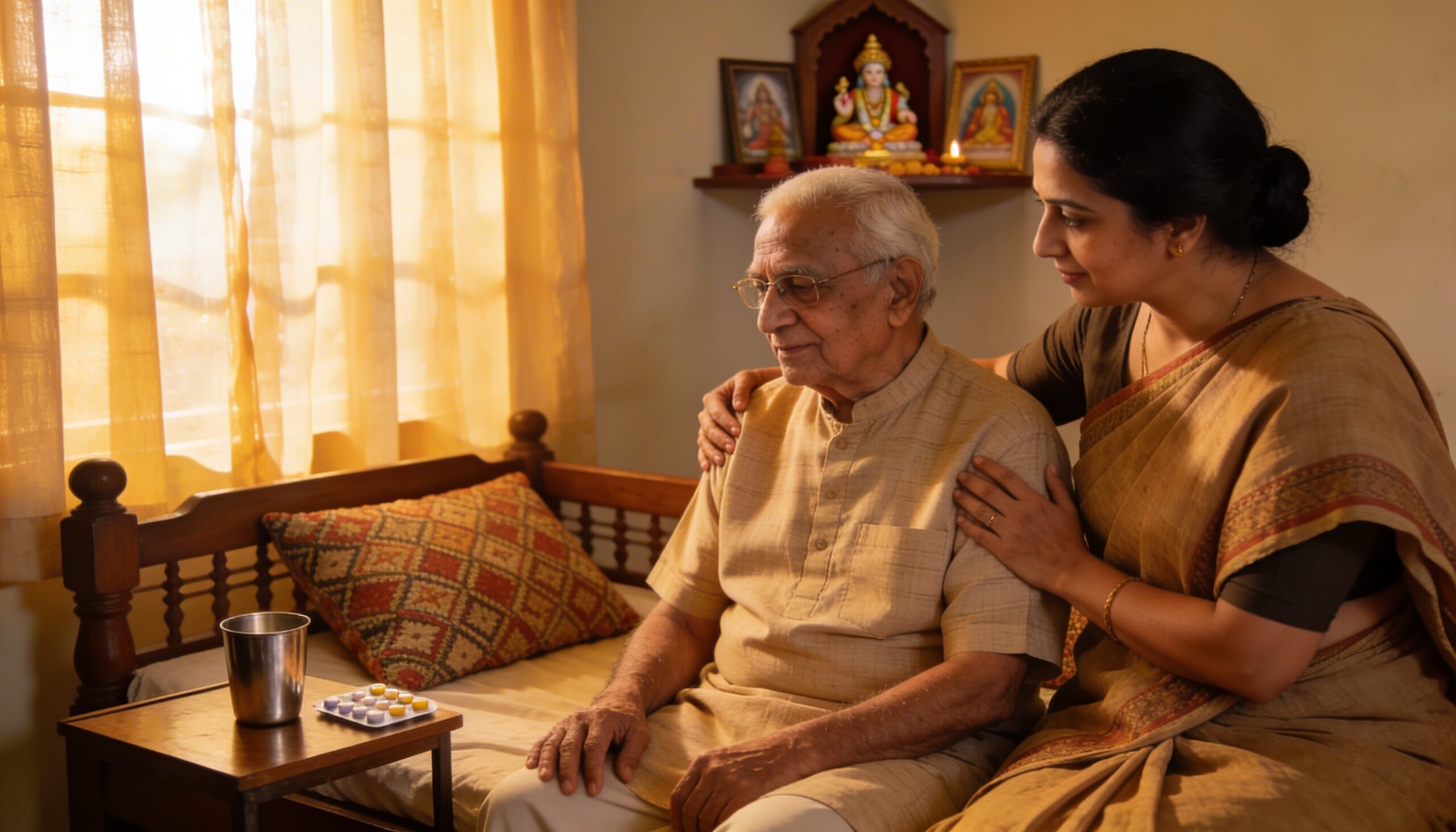
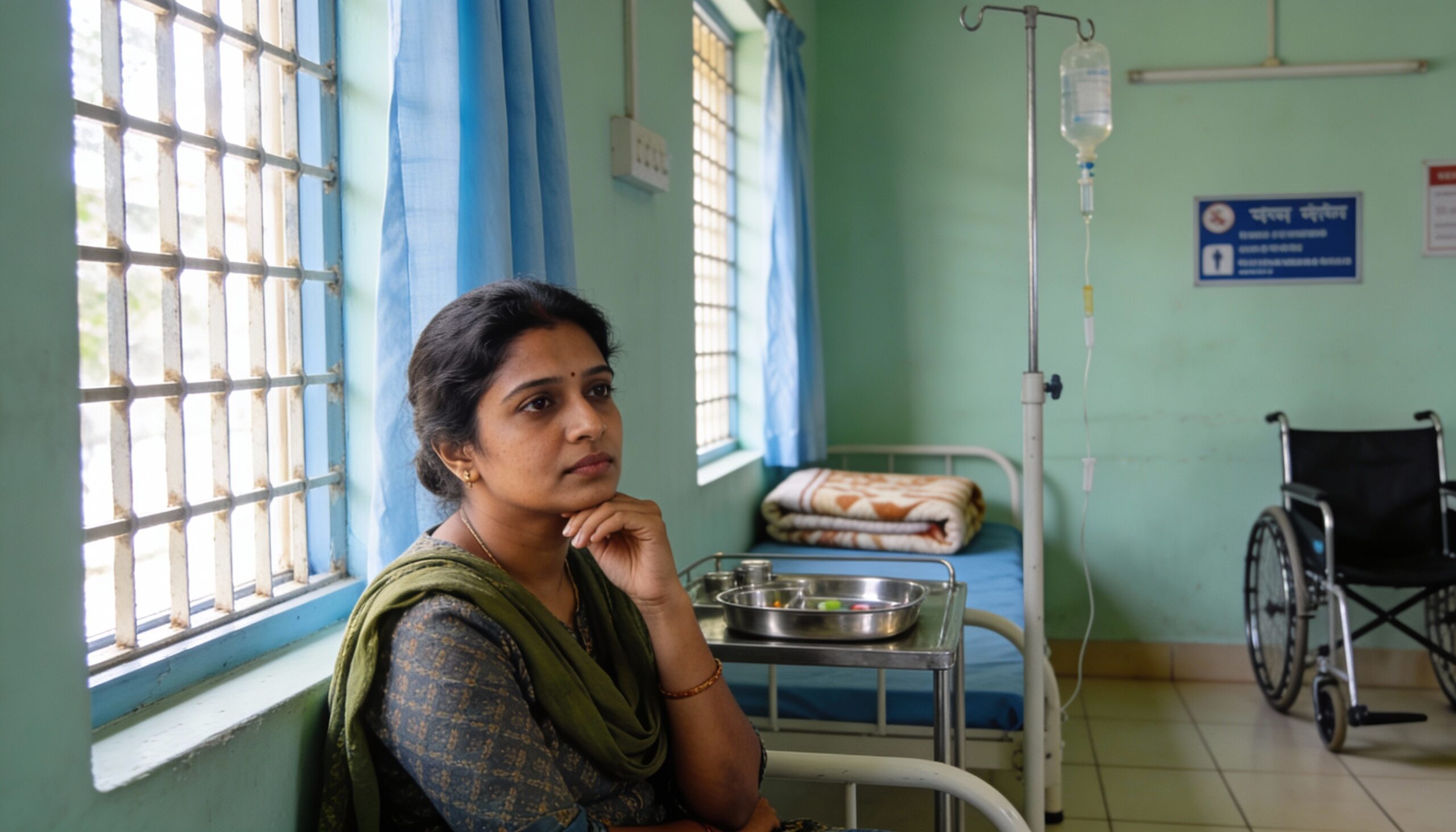
A family caregiver once said to me,
“I feel guilty when I sit down to rest… and guilty when I don’t.”
That single sentence captures what many caregivers live with every day.
Guilt often follows caregivers quietly. It doesn’t announce itself loudly, but it shows up in small moments when you take a break, when you feel irritated, when you wish for things to be different, or when you feel you are not doing “enough.” Most caregivers don’t talk about it, yet almost all experience it.
What Caregiver Guilt Looks Like in Daily Life
Caregiver guilt is rarely dramatic. It usually sounds like:
- I should be more patient.
- Others manage better than I do.
- I shouldn’t feel tired.
- If I really loved them, I wouldn’t feel this way.
- I should be doing more.
Research supports this experience. Studies have shown that family caregivers experience higher levels of guilt than professional caregivers, largely because emotional bonds, family roles, and expectations are deeply involved (Zarit et al., 1980; Losada et al., 2010).
In simple terms, the closer the relationship, the heavier the emotional load.
Why Guilt Is So Common in Caregiving
Guilt does not mean you are doing something wrong. It often arises because:
- You care deeply and want to do your best
- Illness, aging, or disability cannot be “fixed”
- You are managing multiple roles at once
- There is little control over outcomes
- Expectations your own and others’ are unrealistically high
Psychological research suggests guilt is often the mind’s way of trying to regain control in situations filled with uncertainty and helplessness (Tangney et al., 2007).
Caregiving is exactly such a situation.
When Guilt Starts to Cause Harm
Guilt becomes a problem when it is constant and unexamined.
Research has linked prolonged caregiver guilt to:
- Emotional exhaustion
- Depression and anxiety
- Increased risk of burnout
- Neglect of one’s own health
- Reduced quality of care over time
One study found that caregivers who suppress their emotional needs in favor of “doing more” actually experience higher stress and poorer health outcomes (Schulz & Sherwood, 2008).
In other words, guilt does not make caregiving better, it often makes it harder.
Making Guilt More Manageable (Not Eliminating It)
The goal is not to eliminate guilt completely. That is unrealistic. The goal is to soften it so it does not control your choices.
Here are some practical, realistic ways caregivers can do that.
1. Name It When It Shows Up
Instead of arguing with guilt, simply notice it.
“I am feeling guilty right now.”
Naming an emotion has been shown to reduce its intensity and improve emotional regulation (Lieberman et al., 2007).
2. Replace “I Should” With “I Am”
“I should be stronger” becomes
“I am doing what I can with what I have today.”
This small language shift reduces self-judgment and perfectionism.
3. Separate Feelings From Actions
Feeling frustrated does not mean you are unkind.
Wanting rest does not mean you are abandoning someone.
Emotions are signals, not instructions.
4. Build Rest Into Caregiving, Not Away From It
Rest is not a reward for finishing caregiving tasks. It is part of caregiving.
Research shows caregivers who prioritize rest and recovery make fewer errors and experience lower emotional strain (Family Caregiver Alliance).
Even short breaks matter.
5. Stop Over-Explaining Your Boundaries
You do not need long justifications for taking a break, saying no, or asking for help.
Clear, simple boundaries reduce stress and resentment both of which fuel guilt.
6. Seek Validation From Safe Spaces
Caregivers who receive emotional validation through support groups, counseling, or trusted conversations report lower guilt and better coping (Pinquart & Sörensen, 2003).
Being heard changes how heavy the burden feels.
A Gentle Reminder
Guilt often walks alongside love. But love does not require constant self-sacrifice.
A caregiver who rests is not careless.
A caregiver who feels overwhelmed is not weak.
A caregiver who cares for themselves is not selfish.
They are human.
And caregiving, at its core, is a deeply human experience.