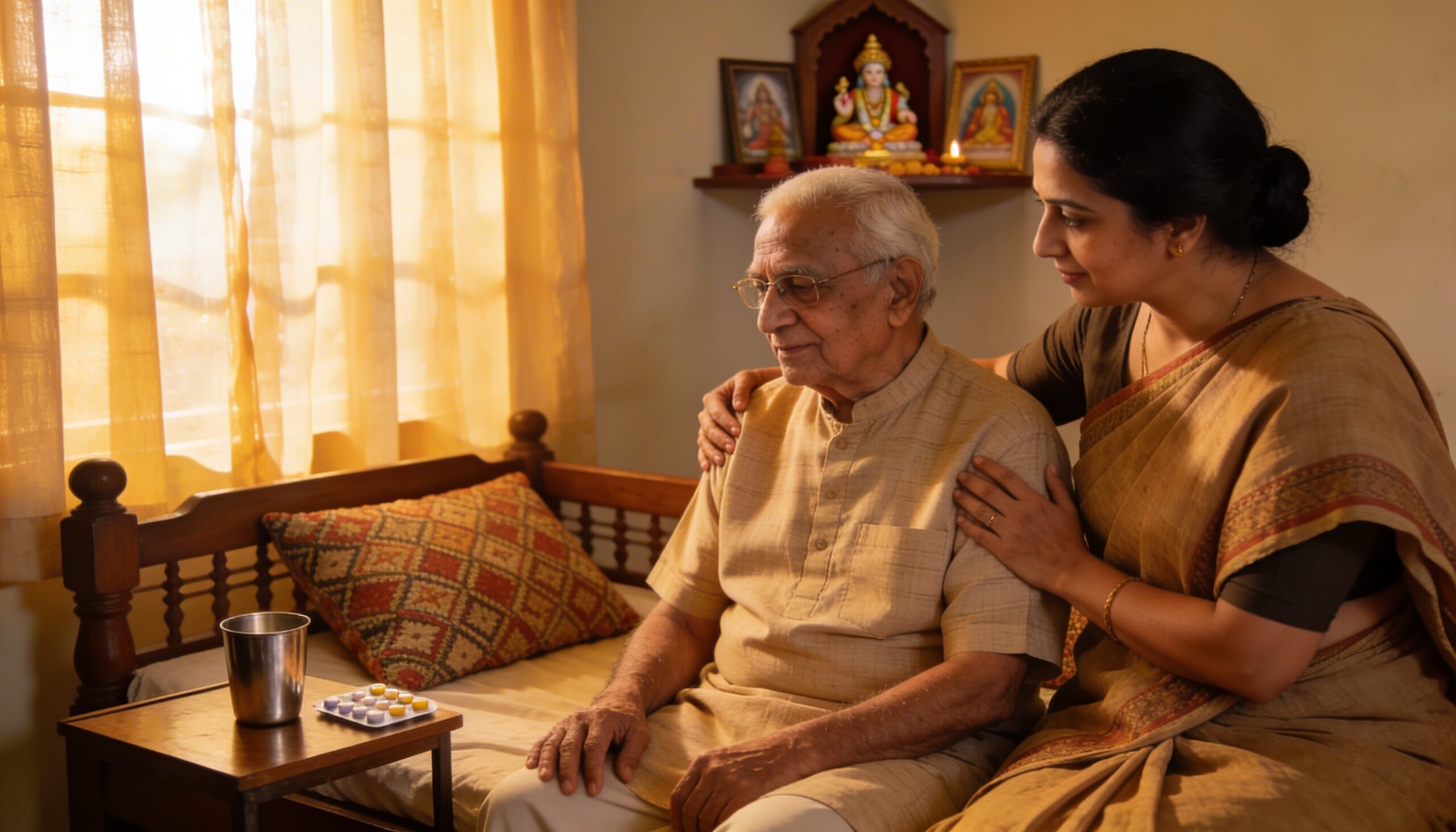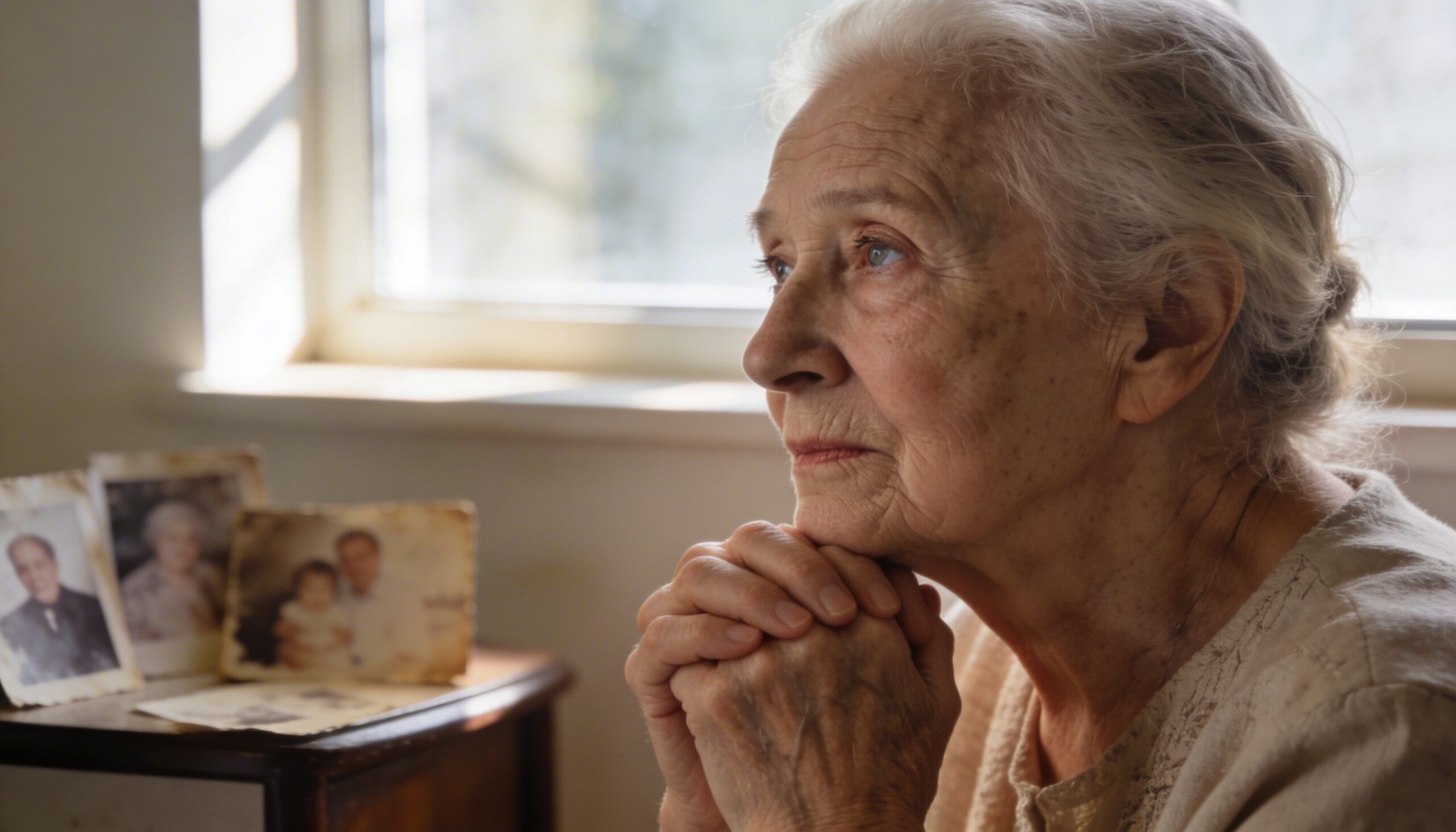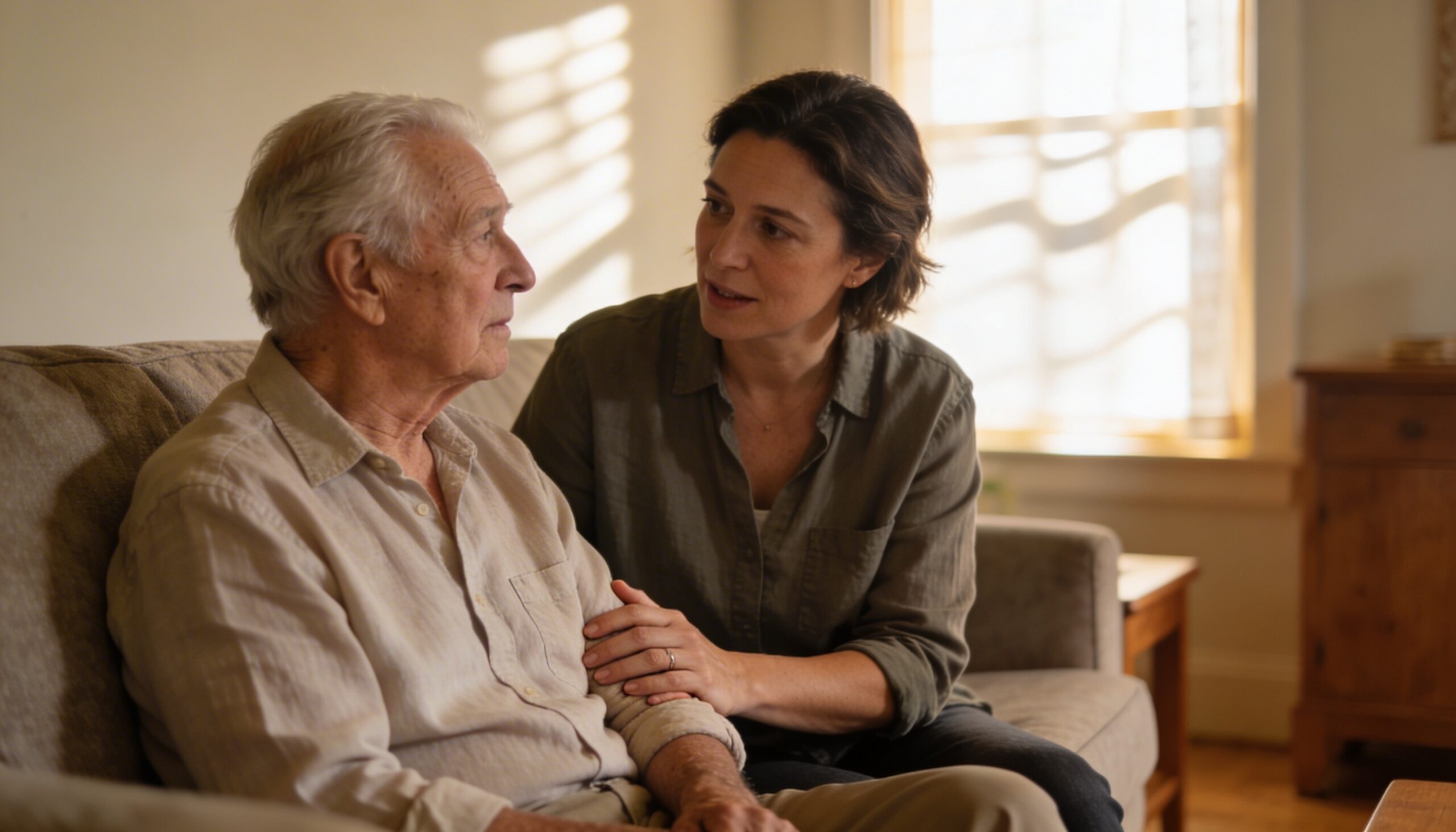
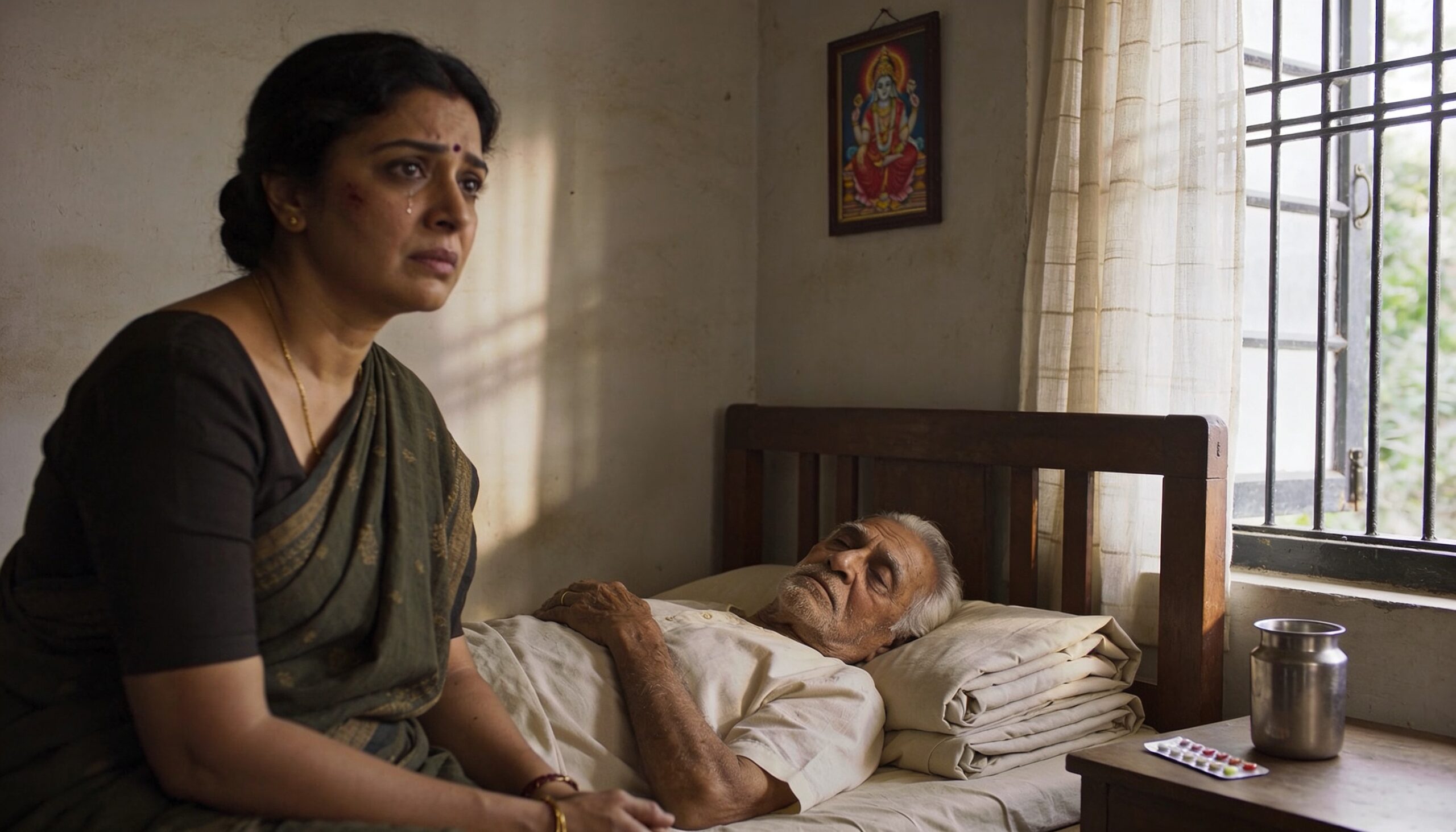
When people think of grief, they usually imagine something that comes after death. A clear before and after. A moment when the world stops, condolences arrive, and mourning is acknowledged.
As a family caregiver, I learned something very different.
Grief doesn’t wait.
It begins early often ‘quietly’ long before anyone talks about loss. It begins the day you realise life will not return to what it once was. And it stays, changing shape as caregiving continues.
Managing grief as a caregiver is not about “moving on.” It’s about learning how to live while carrying it.
The grief no one names
Caregiver grief is complicated because it is rarely recognised. You are still expected to function, to organise appointments, to stay strong, to be grateful you still “have them.”
But internally, you are already grieving.
You grieve:
- the person they used to be
- the relationship you once had
- the ease of shared conversations
- the future you quietly imagined
This kind of grief is called anticipatory grief grieving losses that are unfolding in slow motion. Research shows that caregivers experience grief in waves long before death, often accompanied by anxiety, guilt, anger, and emotional numbness.
Yet few people ask caregivers how they are coping emotionally. There is an unspoken assumption that grief is postponed until later.
It isn’t.
Why caregiving grief feels lonely
One of the hardest parts of caregiver grief is its loneliness.
You can’t openly mourn because the person is still alive. You hesitate to express sadness because it feels disloyal. You feel guilty for missing the life you had, even while doing everything you can for the life in front of you.
Friends may say things like:
- “At least you still have time together.”
- “Stay positive.”
- “Be strong.”
They mean well. But these phrases often shut down honest conversations. They leave caregivers feeling unseen.
Grief that cannot be expressed doesn’t disappear , it turns inward.
Anger, guilt, and grief: the uncomfortable trio
Caregiver grief rarely looks like quiet sadness alone.
Sometimes it looks like anger—snapping at siblings, irritation at doctors, resentment toward people who seem to move freely through life.
Sometimes it looks like guilt:
- guilt for feeling tired
- guilt for wanting a break
- guilt for wishing things were different
These reactions don’t mean you are unloving. They mean you are human.
Psychological studies on caregiver stress show that unresolved grief often manifests as irritability, emotional withdrawal, or over-control. When grief has no outlet, it leaks through behaviour.
Understanding this helped me stop judging myself so harshly.
Grieving the loss of identity
Caregiving doesn’t only change relationships, it changes who you are.
Slowly, roles shift. You become the organiser, the decision-maker, the responsible one. Your own needs shrink to the background.
At some point, many caregivers quietly ask:
“Who am I outside this role?”
This is a form of grief too the grief of losing parts of yourself. Your spontaneity. Your independence. Your uninterrupted time. Your sense of certainty.
Managing grief means acknowledging these losses without self-blame.
Why suppressing grief makes caregiving harder
Many caregivers believe that acknowledging grief will weaken them. In reality, the opposite is true.
Research consistently shows that caregivers who suppress emotions experience:
- higher burnout
- poorer physical health
- increased risk of depression
- strained family relationships
Grief doesn’t demand collapse. It demands honesty.
When caregivers allow themselves to name grief even privately, it reduces emotional overload. It makes space for compassion, patience, and clearer decision-making.
What managing grief actually looks like
Managing grief as a caregiver is not about eliminating it. It’s about learning how to coexist with it without being consumed.
Here are some ways grief can be gently managed drawn from experience, not ideals.
1. Allow grief without justification
You don’t need permission to grieve.
You don’t need to compare your pain to others’.
You don’t need to wait for loss to be “official.”
Grief is valid because it exists.
2. Separate grief from guilt
Missing your old life does not mean you don’t love the person you care for.
Feeling sad does not cancel devotion.
Grief and love coexist.
3. Find safe spaces to speak
Not everyone can hold caregiver grief. Choose carefully:
- one trusted friend
- a support group
- a journal
- a therapist familiar with caregiving
Speaking grief out loud lessens its weight.
4. Accept that grief is non-linear
Some days you cope well. Other days small things break you. This doesn’t mean you’re regressing, it means grief moves in waves.
Resisting the waves only exhausts you.
Grief within families: why tensions rise
Caregiving grief also affects family dynamics.
Siblings grieve differently. Some become distant. Some become controlling. Some avoid involvement entirely.
These differences often lead to conflict not because people don’t care, but because they cope differently.
Understanding that grief wears many faces can soften judgments. It doesn’t fix disagreements, but it helps reduce blame.
When grief quietly transforms
There is a truth that feels uncomfortable to say aloud: caregiving grief can also deepen emotional awareness.
Over time, many caregivers report:
- greater empathy
- clearer priorities
- deeper presence
- a changed relationship with time
This isn’t a reward for suffering. It’s a by-product of living closely with vulnerability.
Grief strips life down to essentials. What remains often matters more.
Caring for yourself is part of grieving well
Grief becomes unmanageable when caregivers are depleted.
Sleep, nourishment, movement, and moments of rest are not luxuries they are stabilisers. They don’t remove grief, but they prevent it from becoming overwhelming.
Caring for yourself is not stepping away from love.
It is sustaining it.
A quiet truth for caregivers
Grief doesn’t end when caregiving ends. But neither does meaning.
Managing grief is not about being strong all the time. It is about being honest enough to feel, flexible enough to adapt, and kind enough to yourself to rest when needed.
If you are a caregiver carrying grief, know this:
You are not failing.
You are not weak.
You are doing one of the hardest emotional tasks there is loving someone while letting go, piece by piece.
And that deserves compassion especially from yourself.