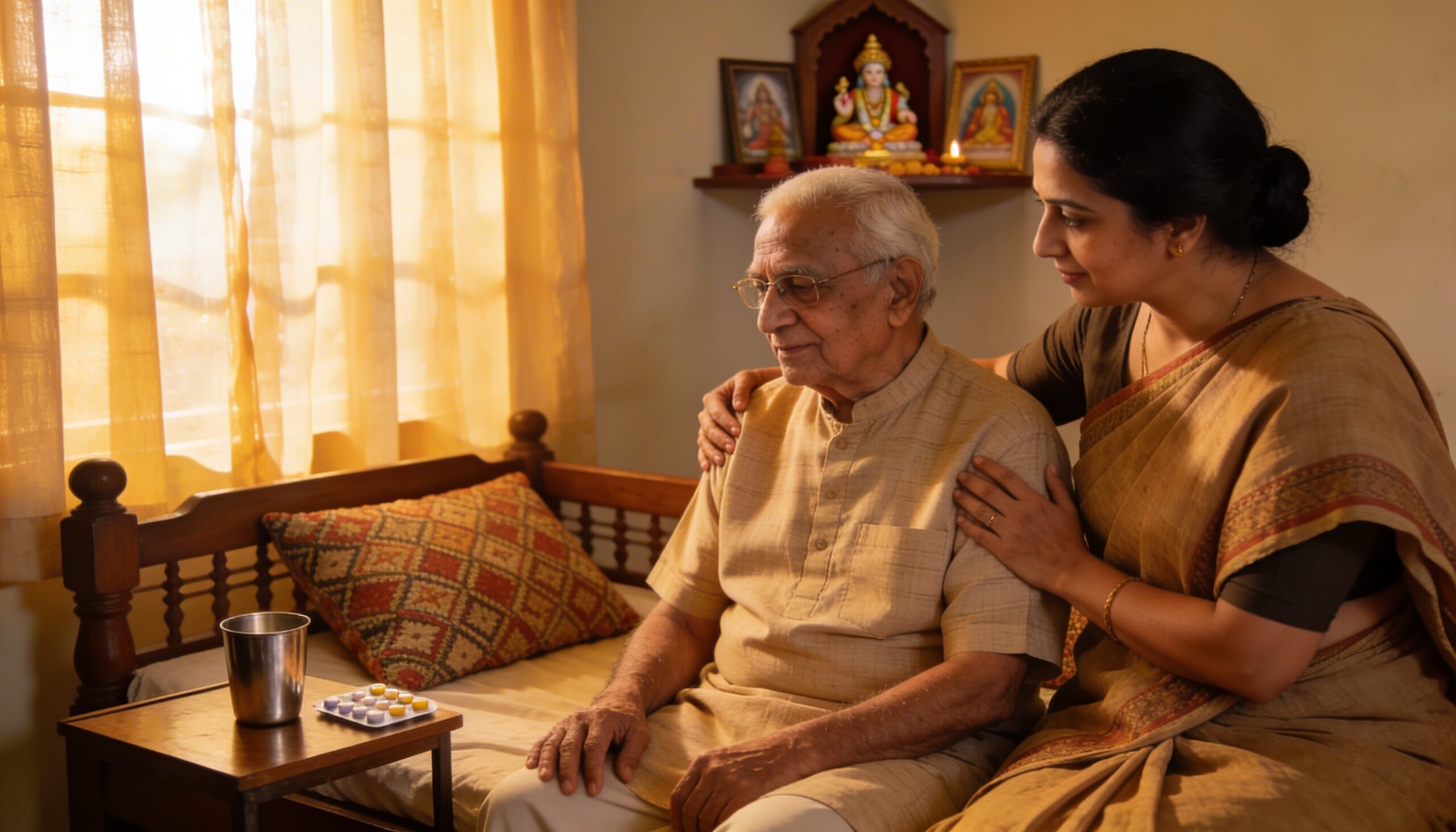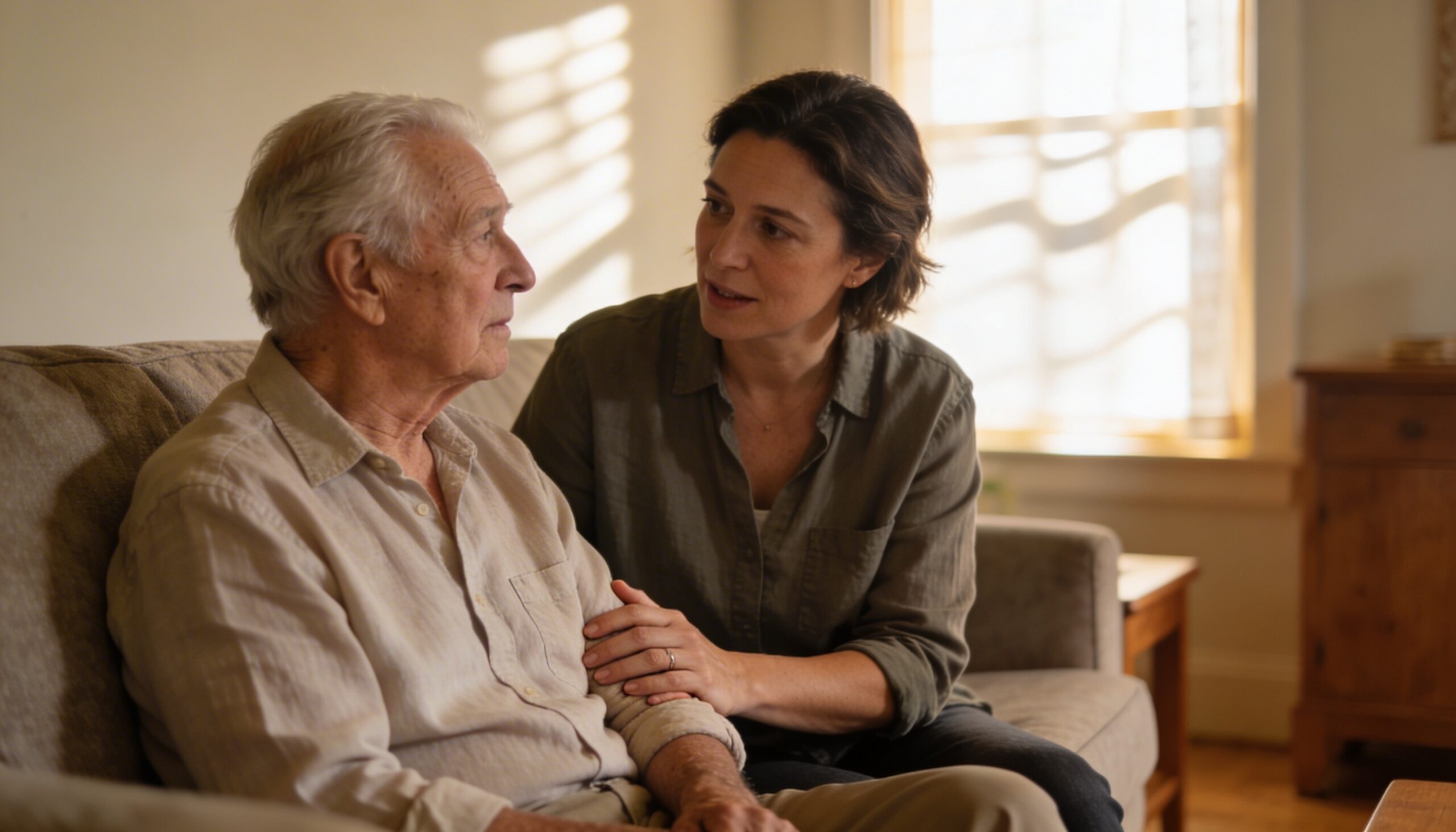
Caregiving is often spoken about as an emotional role.
But long before emotions collapse, the body gives up first.
No one warns you that caregiving will be carried out on broken sleep, skipped meals, aching backs, and constant vigilance. You don’t decide to neglect yourself, it happens quietly, between medications, appointments, and “just one more thing.”
The problem is not lack of love.
The problem is a body running on empty.
Why caregivers stop eating properly
The Caregiver’s_Sourcebook by Frena Gray-Davidson speaks bluntly about this: caregivers survive on junk food, caffeine, and whatever is easiest when time disappears.
Not because they don’t know better but because stress narrows priorities.
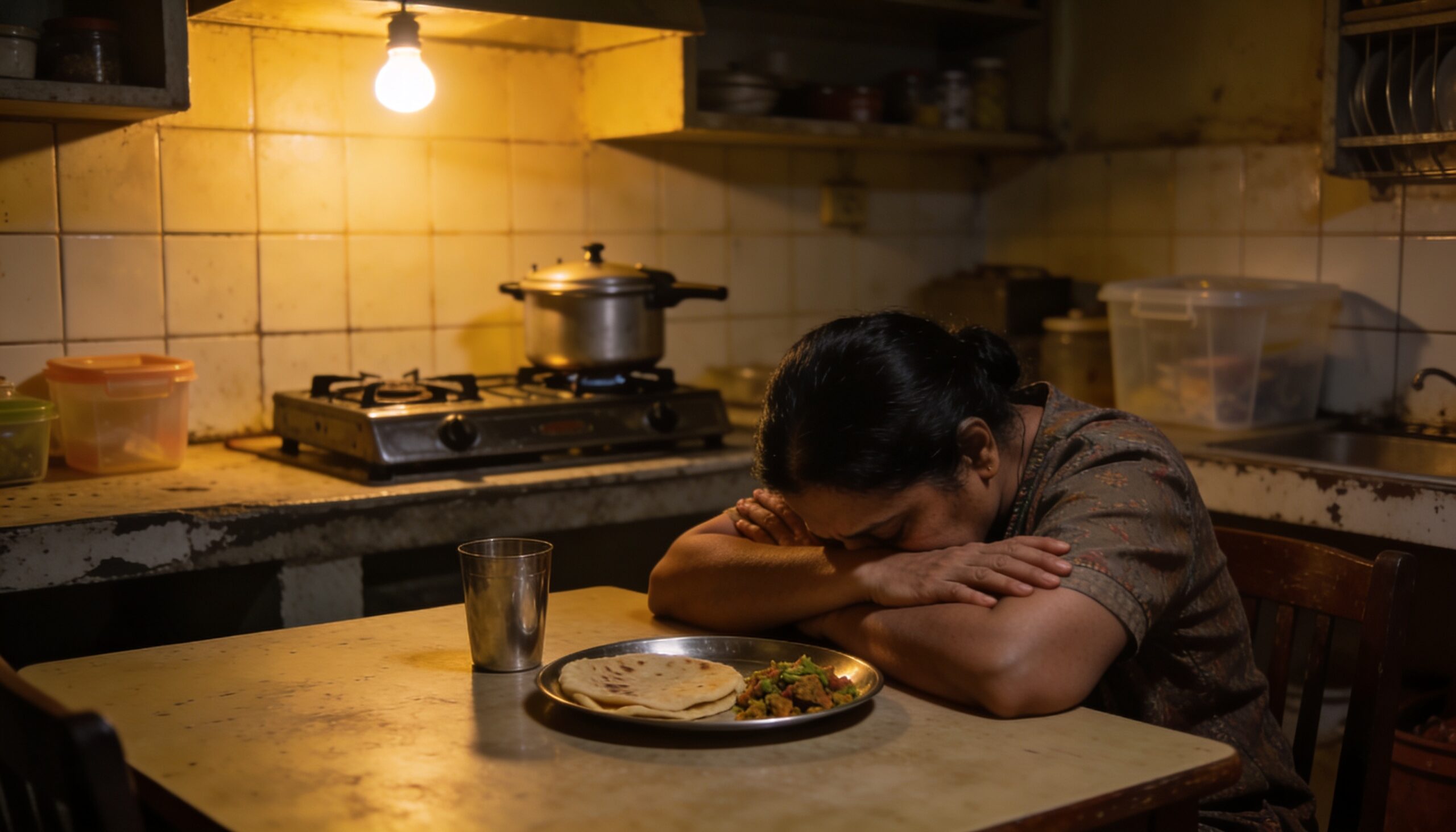
I’ve lived this. When someone you love is unwell, your hunger feels insignificant. Sitting down to eat feels indulgent. Cooking feels impossible.
But malnourishment shows up fast:
- irritability
- poor decision-making
- emotional outbursts
- bone-deep fatigue
You start snapping at siblings. Resenting partners. Losing patience with the person you’re caring for.
The body keeps score, even when the heart insists on sacrifice.
Sleep deprivation is not a badge of honour
Caregivers who don’t sleep become anxious, despairing, and physically unsafe.
Sleep loss doesn’t just make you tired, it changes who you are:
- emotions swing faster
- anger comes quicker
- empathy runs thinner
And relationships suffer. Marriages strain. Conversations escalate. Small disagreements feel unbearable.
There is nothing noble about exhaustion.
There is only risk.
Exercise is not self-improvement, it’s survival
The exercise is not in terms of fitness or weight only but it is more about movement as emotional regulation.
A walk. Stretching. Moving your arms. Breathing deeply.
I’ve noticed this myself: on days I don’t move at all, everything feels heavier decisions, conversations, emotions. Movement doesn’t solve problems, but it creates just enough space to respond instead of react.
Caregiving already traps you emotionally. Letting your body stiffen and stagnate traps you physically too.
When caregivers get injured, families fall apart
Safety lifting correctly, avoiding back injuries, calling for help when needed
This matters more than we admit.
When a caregiver gets injured:
- resentment rises (“Now what will we do?”)
- guilt spreads
- siblings blame each other
- the patient’s care suffers
I’ve seen families unravel not because of illness but because the caregiver became the second patient.
Protecting your body is not selfish.
It is strategic.
The quiet truth no one says aloud
Caregiving doesn’t only test love.
It tests endurance.
And endurance is physical.
If caregivers don’t eat, don’t sleep, don’t move, and don’t protect their bodies, relationships start breaking at the weakest joints marriages, sibling bonds, patience, empathy.
You cannot nurture another human being while neglecting the one body doing the work.
What caring for the caregiver really looks like
Not spa days.
Not motivation quotes.
It looks like:
- eating something nourishing even when you don’t feel hungry
- sleeping whenever possible, without guilt
- moving your body just enough to breathe better
- asking for help before injury forces it
Caregiving is long.
Your body has to last.
And when the caregiver is physically supported, relationships stand a fighting chance.