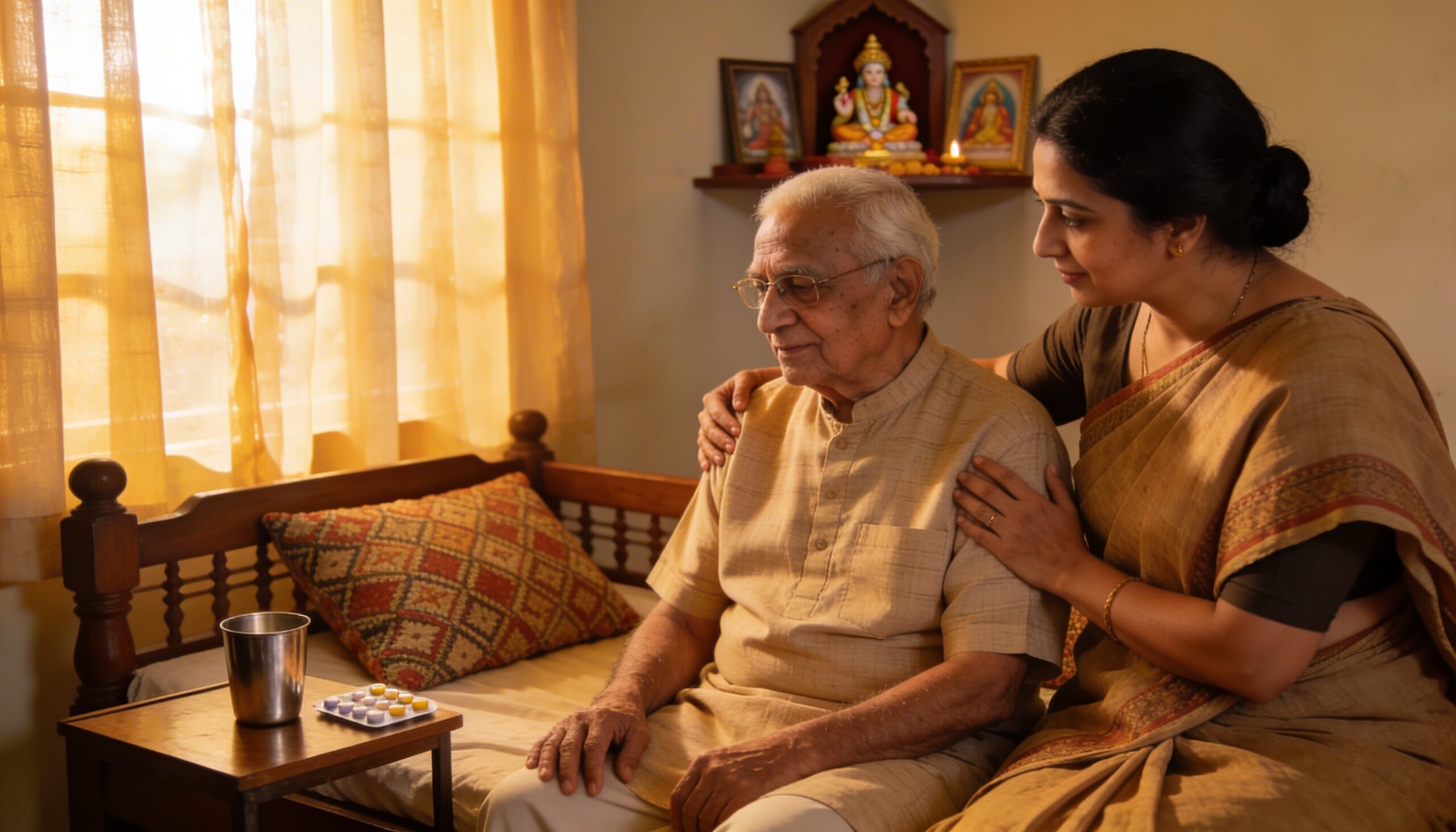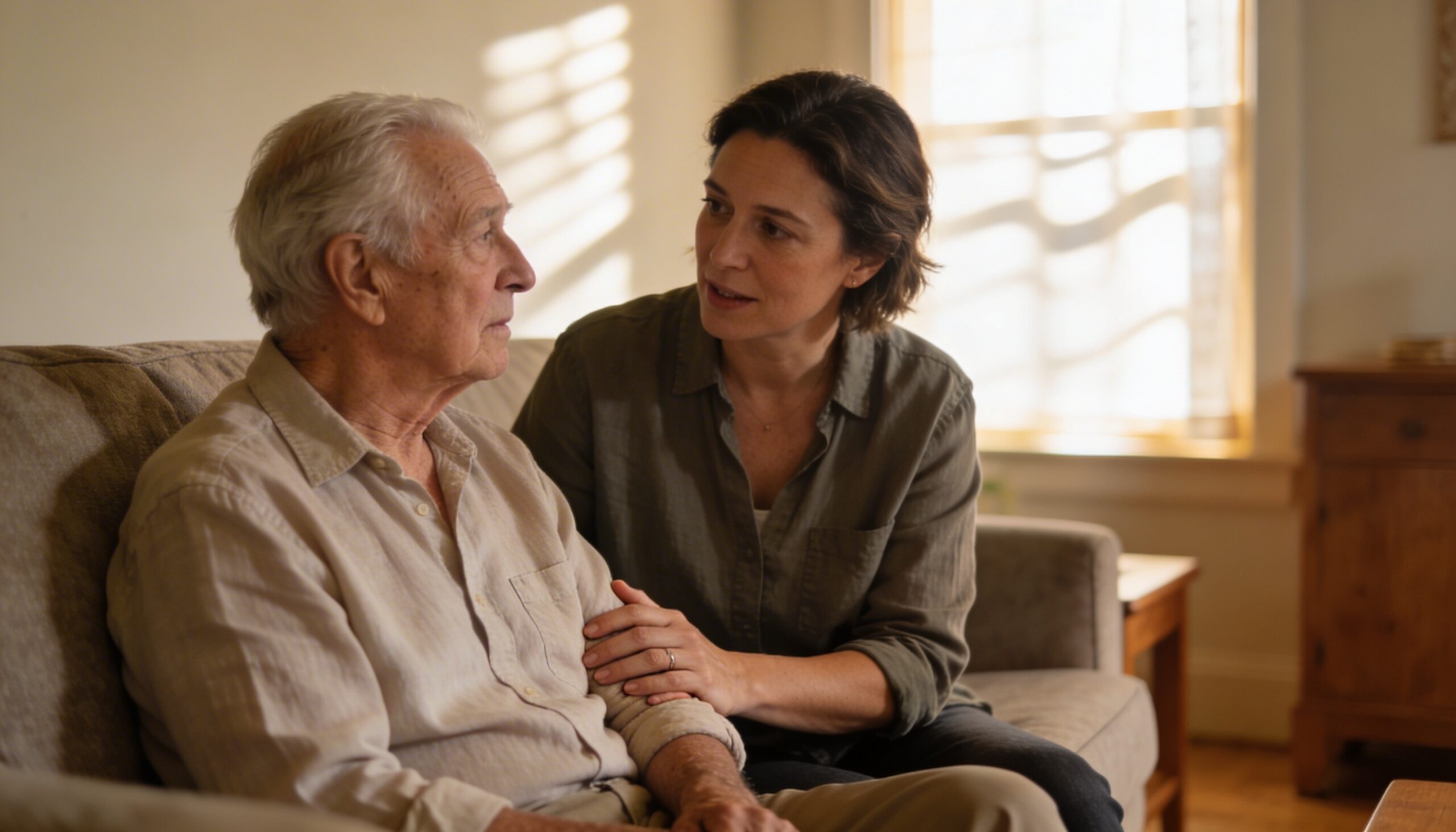
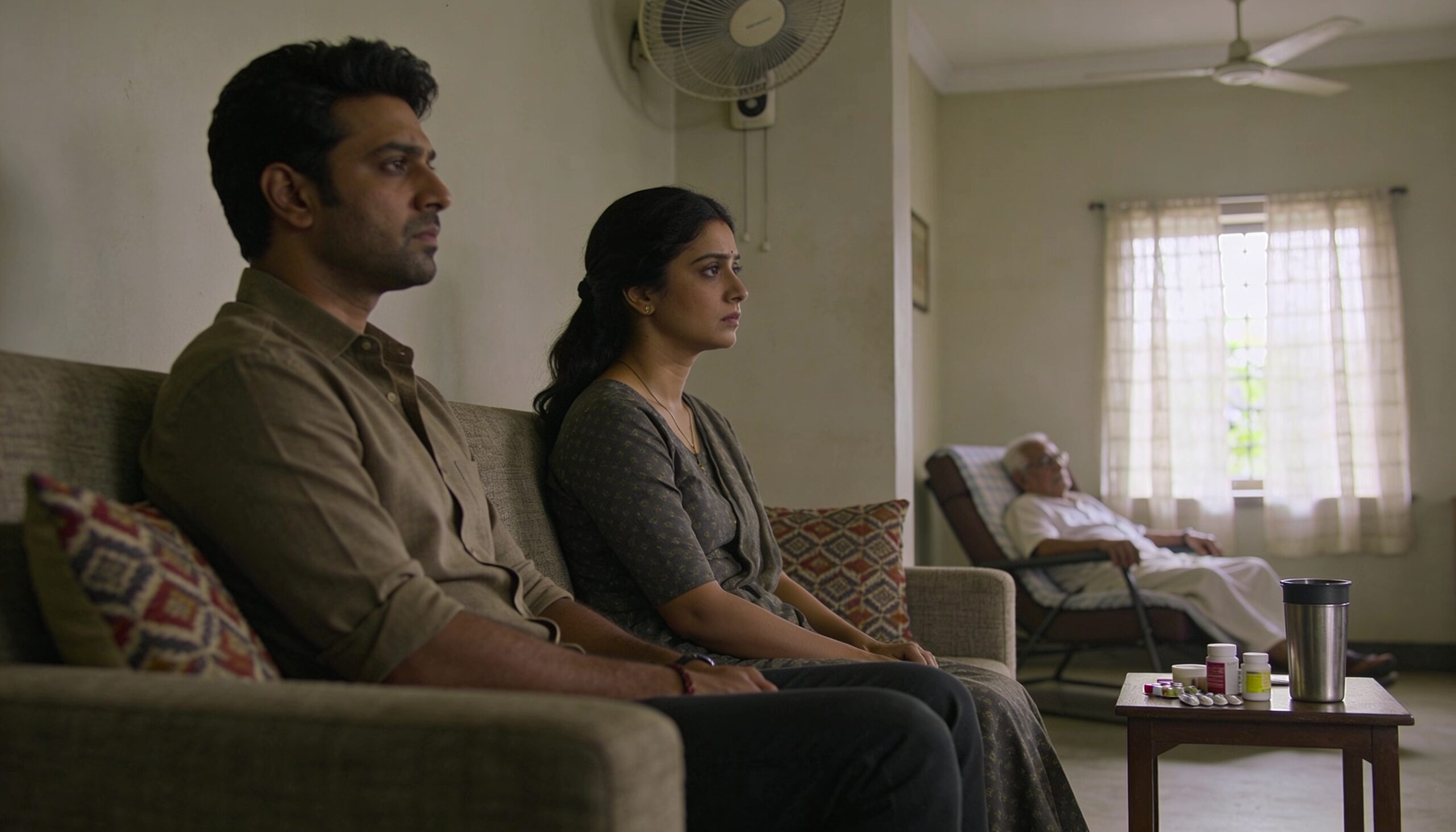
Our doctor once told us something that stayed with me.
He said, “Being a caregiver for a cancer patient is not easy. I have seen marriages fall apart, siblings fight, and friendships fade.”
At the time, it sounded harsh. Over a decade later, I know he was being truthful.
Caregiving doesn’t just test patience, it tests relationships. It puts people under prolonged stress, emotional exhaustion, fear, grief, and uncertainty. Sometimes, it takes these tough situations to reveal the true colours of relationships not because people are bad, but because everyone involved is trying their best with limited emotional resources.
Relationships get strained. Conversations turn sharp. Intentions are good, but outcomes don’t always match. And slowly, distance creeps in.
I’ve seen this play out in different ways at home, next door, and within myself.
When fear wears the mask of anger
A friend who lives next door was caring for her mother who had mild dementia. Her mother would sometimes put the coffee maker on without water or forget simple steps she had done perfectly all her life.
Every time this happened, my friend would lose her temper. She shouted. She scolded. From the outside, it looked like verbal abuse.
One day, she broke down while talking to me. She said the hardest part wasn’t the work, it was watching someone who had been her role model slowly make mistakes that felt unimaginable. Screaming, she admitted, was her way of coping. It was wrong, but it came from fear, grief, and helplessness not from lack of love.
This is where caregiving quietly damages relationships.
Unexpressed fear turns into anger. Grief turns into irritation. And the relationship mother and daughter, in this case suffers deeply.
Things might have been different if there had been space for open communication. Understanding what was happening, accepting the reality of the illness, and talking with her mother instead of at her could have saved both of them a lot of pain.
Why open communication matters more than ever
Caregiving changes the emotional balance in families. Roles reverse. Expectations clash. People assume others “should know” what to do or feel.
But silence is dangerous here.
Open communication doesn’t mean calm conversations all the time, it means honest ones. Saying:
- “I am scared.”
- “I don’t know how to handle this.”
- “I feel overwhelmed and I might snap.”
Research on caregiver stress shows that emotional suppression increases burnout and relationship conflict. Naming emotions doesn’t weaken families, it protects them.
Siblings, control, and learning to let go
Caregiving also brings out control issues, especially among siblings.
While caring for my mother, my sister and I had different ways of changing her clothes. Initially, this became a point of argument. Each of us believed our way was better, more comfortable, more efficient.
We argued until we paused and realised something important: the end result was the same.
Both of us wanted our mother to be comfortable and cared for.
That realisation changed everything.
Caregiving often creates a false sense that there is one right way. In reality, there are many ways to reach the same goal. Trusting another person’s abilities especially a sibling’s is hard when emotions are high, but essential.
Being flexible doesn’t mean not caring.
Letting go of control doesn’t mean lowering standards.
It means recognising shared intent.
Why marriages struggle too
In marriages, caregiving shifts priorities, time, intimacy, and energy. One partner may feel invisible. Another may feel unsupported. Conversations become transactional medicines, appointments, finances.
Without deliberate effort, emotional connection quietly erodes.
Studies show that couples who talk openly about role changes and share caregiving responsibilities even imperfectly cope better than those who assume endurance alone will hold things together.
Love doesn’t disappear in caregiving.
But it does need new language, new patience, and new boundaries.
What actually helps relationships survive caregiving
Not perfection. Not endless sacrifice.
What helps is:
- Open communication, even when it’s messy
- Flexibility, knowing there isn’t one “correct” way
- Letting go of control, trusting shared intentions
- Compassion, for others and for yourself
Caregiving is not just a medical journey, it’s a relational one. And relationships, like people, need care too.
More than a decade into this journey, I’ve learned this:
If caregiving reveals cracks in relationships, it’s not a failure. It’s an invitation to talk, to soften, and sometimes, to heal differently.