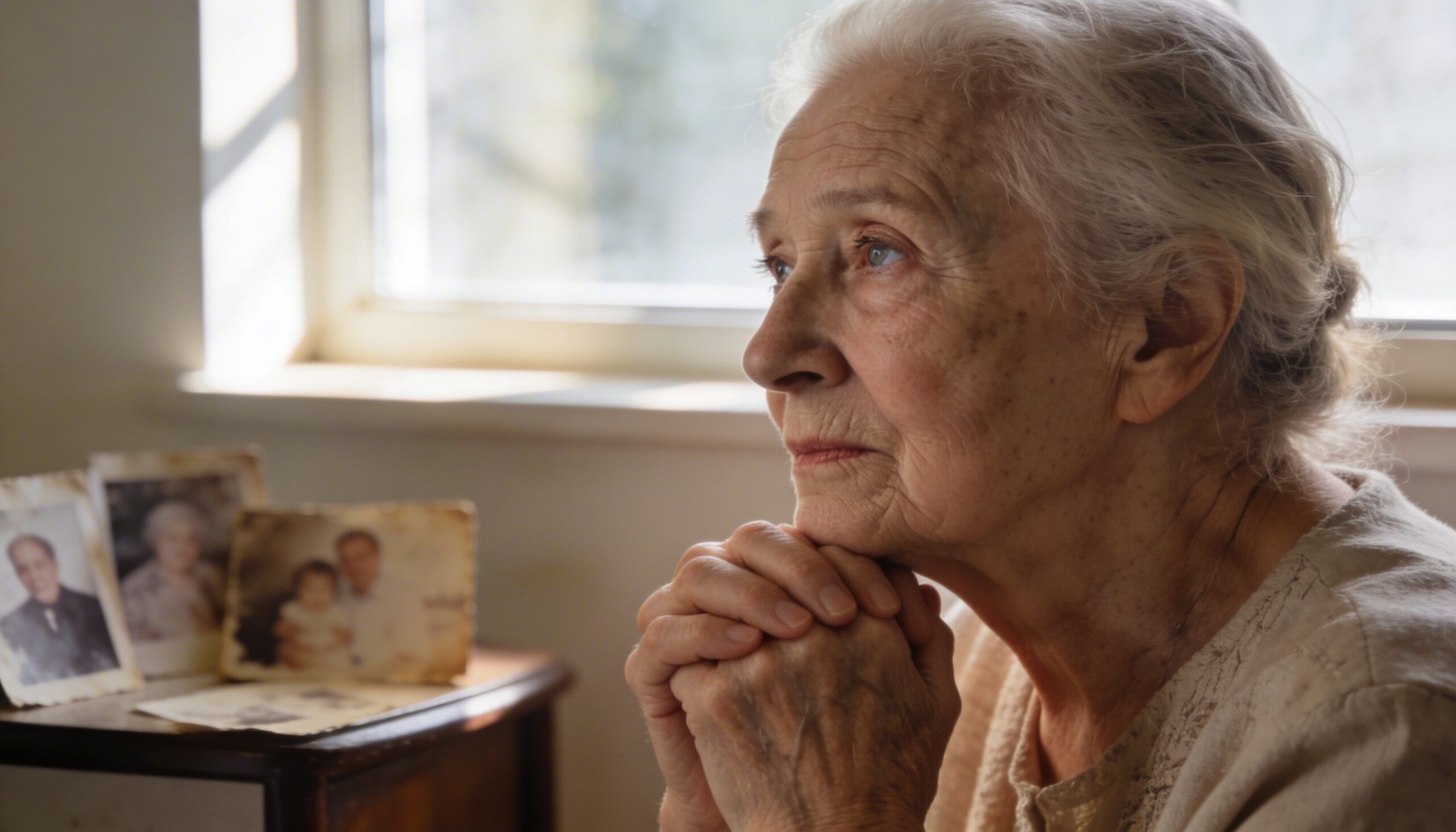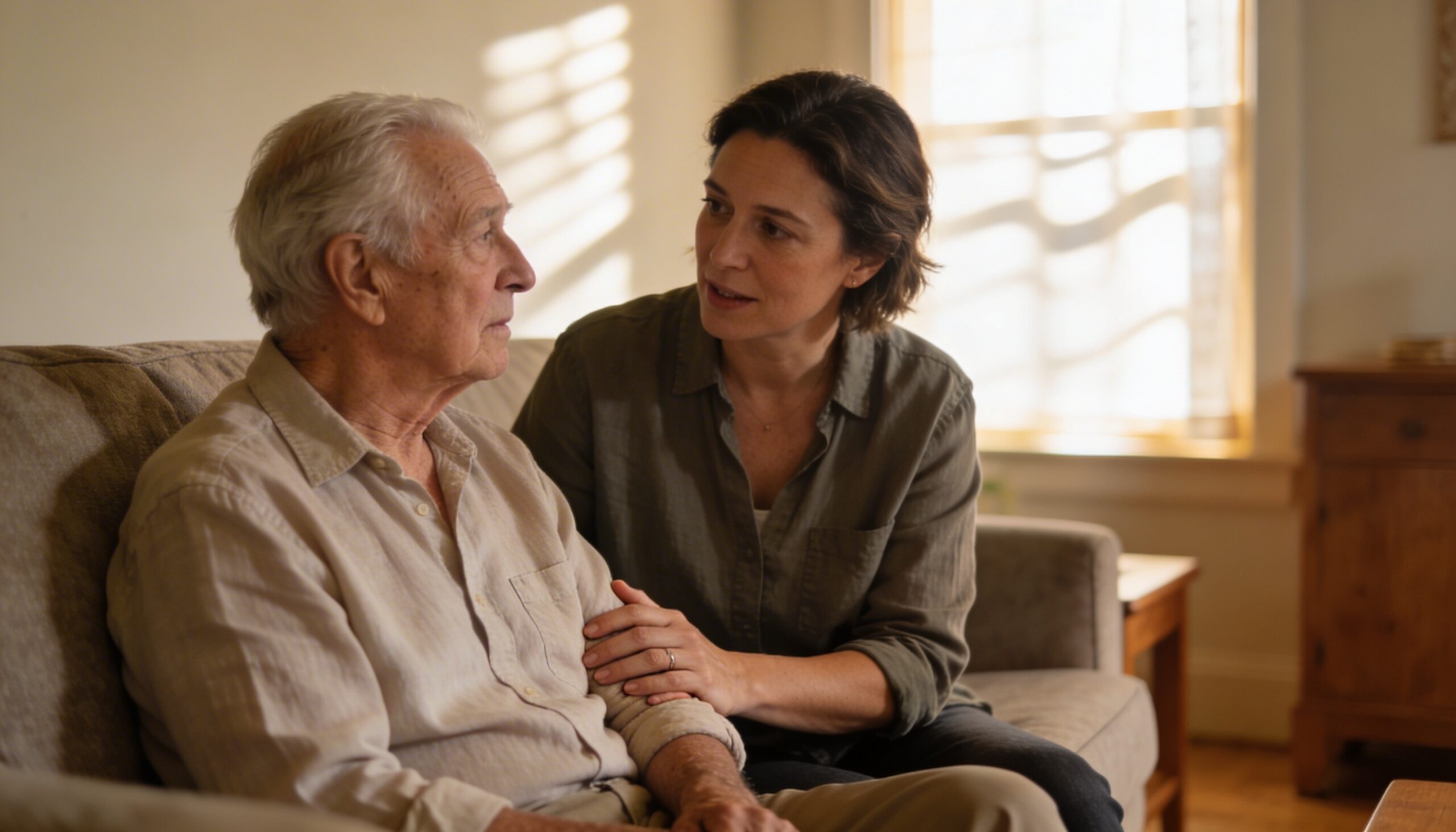
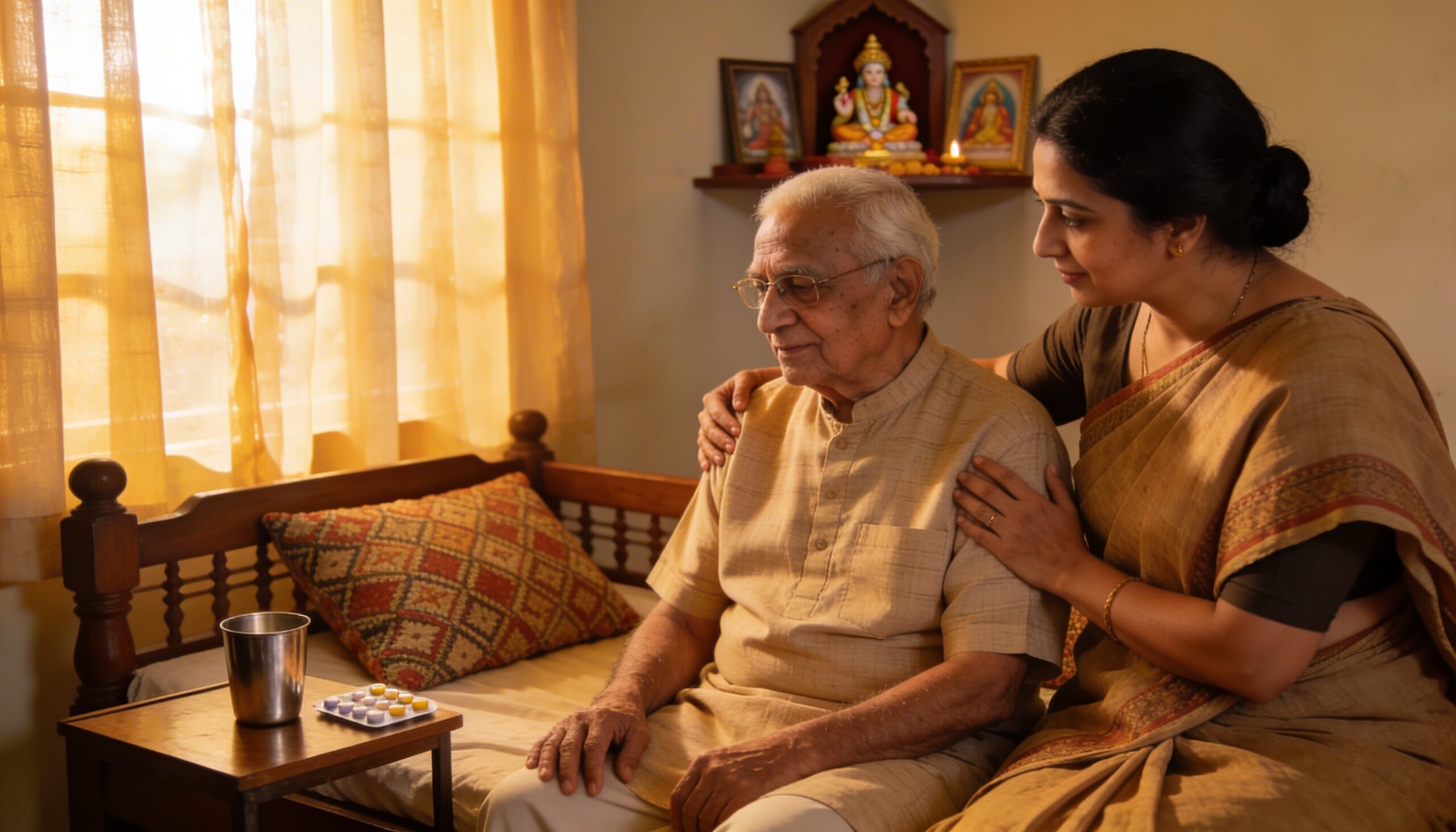
Most caregivers never plan to become caregivers.
There is rarely formal training. One day a parent falls ill, a spouse needs surgery, or an elderly family member slowly becomes dependent. Suddenly, you are responsible for medications, meals, doctor visits, hygiene, and emotional support.
In the beginning, it feels overwhelming. You wonder if you are doing things correctly. You worry constantly about making mistakes.
But over time, caregivers develop a set of practical skills. These are not taught in classrooms. They are learned through experience, patience, and many times through trial and error.
Looking back on my own caregiving journey, I realised that caregiving is not just about love. It is about learning a wide range of everyday skills that help another person live safely and comfortably.
Here are some of the most important ones.
1. The Skill of Observation
A caregiver quickly learns how important it is to notice small changes.
Doctors see the patient during appointments, but caregivers observe them every day. Because of this, caregivers are often the first to notice subtle signs that something is not right.
These changes may include:
- reduced appetite
- unusual fatigue
- sleep disturbances
- mood changes
- discomfort or pain
- difficulty swallowing
- difficulty walking
- small boil or rash
I remember caring for my father during his illness. There were days when visitors thought he looked perfectly fine, but I could sense something different. Maybe he was quieter than usual or took longer to finish his meals. These small observations helped us share useful information with the doctor.
Caregivers become the patient’s closest observers, and that role is extremely valuable.
2. Communicating with Patience
Illness can make people anxious, frustrated, or emotionally vulnerable.
Sometimes patients repeat the same questions or express fears again and again. As caregivers, it is easy to become impatient. But communication in caregiving requires calmness and reassurance.
Good communication includes:
- speaking gently
- listening without interrupting
- maintaining eye contact
- explaining things slowly
I once saw a caregiver lose patience with her mother who had mild dementia. Every mistake led to shouting. Later, she admitted that watching her strong and independent mother struggle with simple tasks was deeply painful.
Often, anger is just fear in disguise.
When caregivers respond with empathy rather than frustration, relationships remain stronger despite the challenges.
3. Assisting with Personal Care
Helping someone bathe, dress, or maintain hygiene can feel uncomfortable in the beginning.
Both the patient and caregiver may feel awkward. But maintaining hygiene is essential for health and dignity.
Caregivers often assist with:
- bathing
- grooming
- oral care
- toileting
- dressing
The key principle is respect.
Explain what you are doing. Maintain privacy. Allow the person to do as much as they can independently.
During my caregiving experience, I realised that small gestures matter. Allowing someone to wash their face or comb their hair themselves helps preserve a sense of independence.
Care should support dignity, not take it away.
4. Helping with Safe Movement
Many patients require help with mobility.
Caregivers may need to assist with:
- sitting up in bed
- standing up
- walking safely
- transferring between bed and chair
Improper lifting can cause injuries for both the caregiver and the patient.
Simple precautions make a big difference:
- bend your knees while lifting
- support the patient close to your body
- move slowly and give clear instructions
- use walking aids if available
A single fall can create serious complications for elderly patients. Preventing falls becomes one of the most important caregiving responsibilities.
5. Managing Medications
Medication management is one of the most demanding tasks for caregivers.
Many patients take multiple medicines at different times during the day. Missing a dose or mixing medications incorrectly can have serious consequences.
When I cared for my father, he had nearly fifteen pills scheduled throughout the day. I created a detailed chart and set reminders on my phone to ensure nothing was missed.
Practical strategies include:
- maintaining a medication chart
- using apps which help in scheduling
- setting reminders or alarms
- organising pills in labelled boxes
- double-checking dosages
A simple system can prevent many mistakes.
6. Supporting Nutrition
Illness often affects appetite and digestion.
Caregivers may need to plan meals that are nutritious, easy to eat, and suited to the patient’s medical condition.
Some patients require:
- soft diets
- liquid nutrition
- high-protein meals
- smaller, frequent portions
During one phase of caregiving in our family, my husband was on a complete liquid diet. Learning how to manage nutrition in that situation was not easy. Other caregivers shared their experiences and helped me understand what worked.
Sometimes the best learning comes from others who have walked the same path.
7. Creating a Safe Home Environment
Many caregiving accidents happen inside the home.
Making small adjustments can prevent serious injuries.
Examples include:
- removing loose rugs
- improving lighting
- installing bathroom grab bars
- keeping frequently used items within reach
- clearing clutter from walking paths
- keeping pets out of the way
These simple steps create a safer environment for someone whose mobility or balance may be affected.
8. Offering Emotional Support
Illness often brings loneliness.
Patients may feel isolated, dependent, or worried about the future. A caregiver’s emotional presence can make an enormous difference.
Sometimes emotional support is simply:
- sitting beside them
- listening to their concerns
- sharing old memories
- watching a favourite movie together
Caregiving is not only about physical tasks. It is about human connection.
9. Learning to Organise Time
Caregiving involves multiple responsibilities every day.
Appointments, medicines, meals, hygiene, monitoring symptoms, and household tasks all compete for attention.
Planning helps reduce chaos.
When I cared for my father, I created a timetable that included everything — checking vitals, feeding through the Ryle’s tube, changing diapers, administering medicines. I even noted how long certain tasks took.
That small step helped me manage the day much more efficiently.
Time management is an essential caregiving skill.
10. Taking Care of Yourself
One of the hardest lessons caregivers learn is that they must care for themselves too.
Skipping meals, losing sleep, and ignoring stress eventually takes a toll.
Caregivers need:
- proper nutrition
- rest whenever possible
- emotional support from friends or family
- occasional breaks
Remember: caring for yourself is not selfish. It allows you to continue caring for someone else.
A Final Thought
Caregiving is a journey of learning.
At the beginning, you may feel unprepared and uncertain. But slowly, you develop skills you never imagined you would need observing carefully, communicating patiently, organising tasks, and offering emotional strength.
These skills are not written in manuals. They are shaped by experience, compassion, and resilience.
In the end, caregiving is not just about managing illness.
It is about standing beside someone during a difficult phase of life and helping them feel safe, respected, and cared for.
And that is one of the most meaningful roles a person can ever take on.