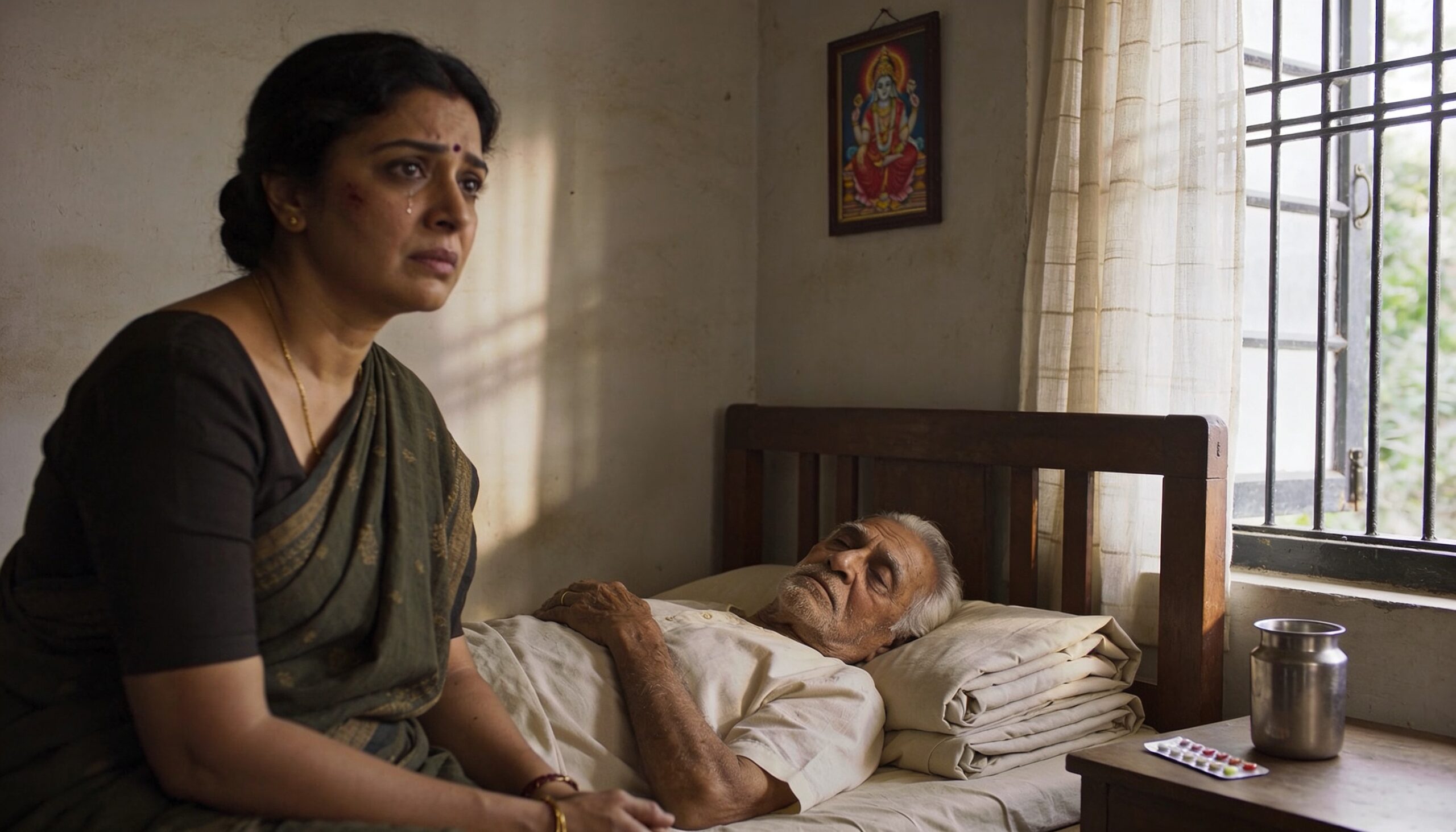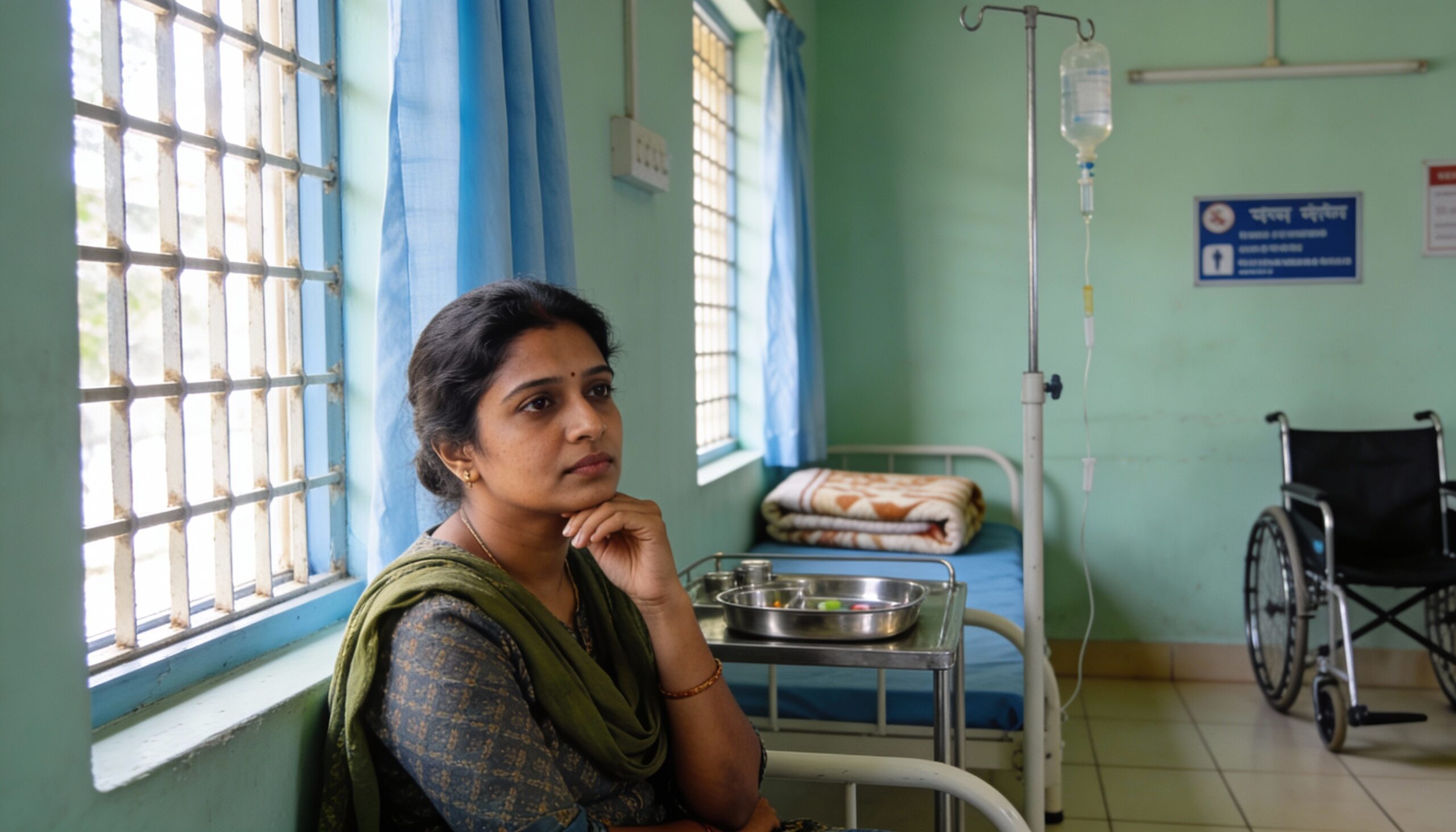
I was helping a friend who was caring for her father in the hospital. He had just been shifted from the ICU to the ward a moment that should feel like relief, but rarely does. Caregiving doesn’t pause just because the clinical condition improves.
That afternoon, my friend had to rush to her son’s school. In the chaos of transitions ICU to ward, medicines being changed, nurses coming in and out she couldn’t brief me properly about the next dose. I thought I was doing the right thing by confirming it with the nurse in charge.
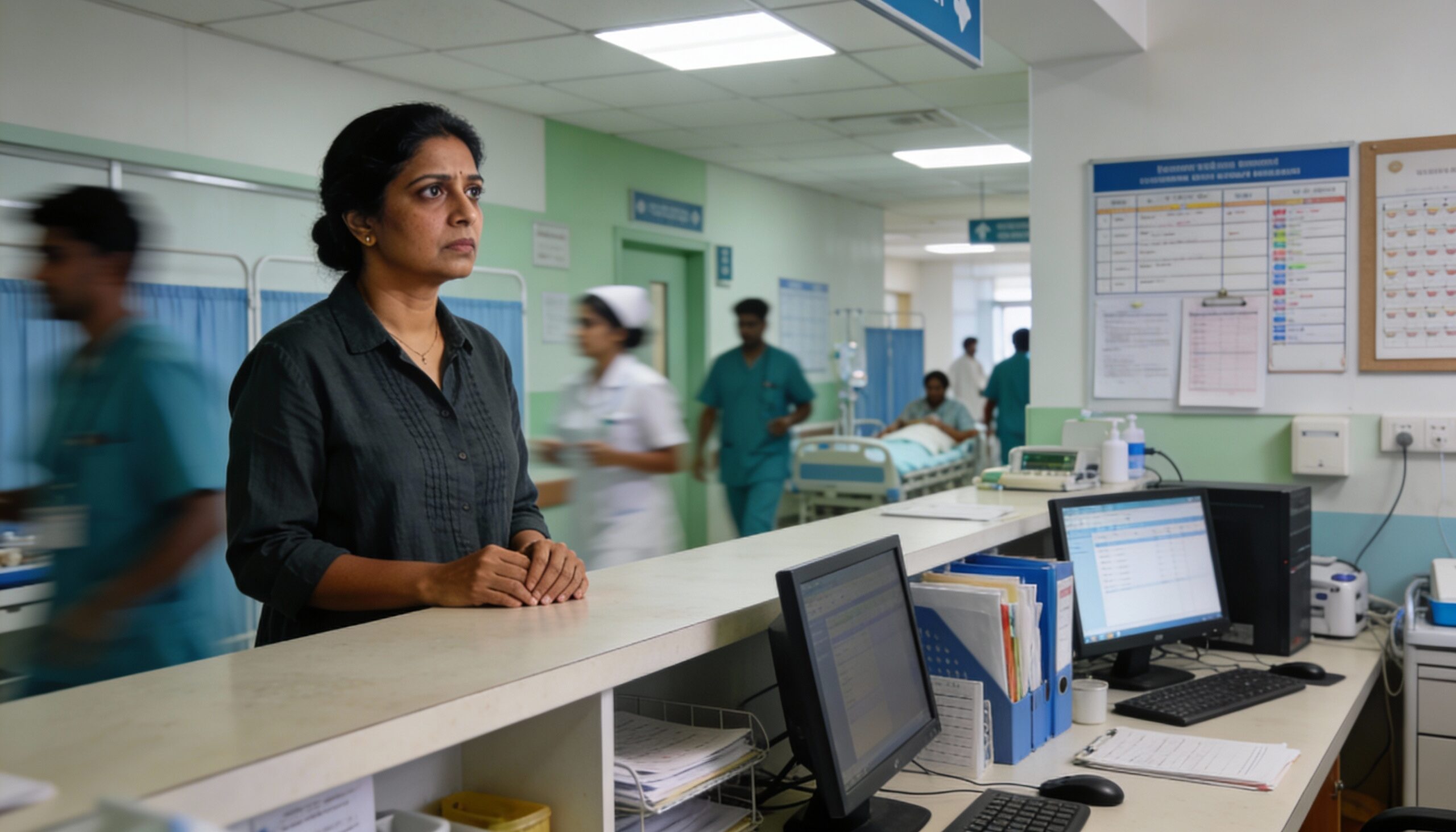
At the nursing station, I was met with a curt response.
“Wait till the sister comes.”
I waited. No one came.
The dose was missed.
Later, when my friend returned, she shared a few similar stories of her own. Moments where information slipped through cracks. Where asking for help felt like an inconvenience. Where the system technically functioned, but the human connection didn’t.
A few days later, the hospital handed her a patient satisfaction form. There was no space to explain what had happened. No room to describe how it felt. Just boxes to tick. She filled it quickly, handed it back to the nurse, who tucked it into a file.
I remember wondering:
Does anyone actually read these?
And even if they do does this really capture what patients and caregivers go through?
That incident stayed with me. And it led me to a larger question we don’t ask often enough in healthcare:
Is patient satisfaction the same as patient experience?
The short answer is: No.
What Is Patient Satisfaction, Really?
Patient satisfaction is often treated as the gold standard for measuring hospital quality. It usually answers questions like:
- Were you satisfied with the care?
- Was the staff polite?
- Was the hospital clean?
- Would you recommend this hospital?
On paper, it sounds reasonable. But satisfaction is deeply subjective. It’s shaped by expectations, personality, cultural norms, and even gratitude.
Research has shown that patients often rate care highly even when things go wrong especially in cultures where questioning authority feels uncomfortable or where people feel thankful just to have received care at all. Some caregivers don’t complain because they fear it might affect future treatment. Others are too exhausted to engage meaningfully.
So satisfaction often ends up measuring how little a patient expected, not how well the system performed.
Why Satisfaction Alone Falls Short
Studies published in journals like BMJ Quality & Safety and Health Affairs point out a critical flaw: high patient satisfaction scores do not always correlate with better clinical outcomes, safer care, or better communication.
In fact, satisfaction surveys often:
- Miss specific breakdowns in care
- Oversimplify complex experiences
- Fail to capture caregiver perspectives
- Reduce lived experiences to numbers
In my friend’s case, how would she rate “satisfaction”?
Her father survived. The surgery went well. The doctors were competent.
So yes , she might tick “satisfied.”
But that tick would completely miss:
- The missed medication
- The fear of asking questions
- The emotional toll of being dismissed
- The silence when help was needed most
So What Is Patient Experience?
Patient experience is not about how happy someone felt.
It’s about what actually happened.
Patient experience focuses on:
- Was information communicated clearly?
- Were concerns acknowledged?
- Was help accessible when needed?
- Were caregivers included and supported?
- Were transitions of care handled safely?
Unlike satisfaction, experience can be mapped, measured, and improved.
For example:
- Was medication information clearly handed over? (Yes/No)
- Was there a clear escalation pathway when a nurse was unavailable?
- Were caregivers informed about whom to contact and when?
These are observable events not emotions.
Why the Human Experience Matters More
Healthcare doesn’t happen in isolated procedures. It happens in moments:
- At the nursing station
- During shift changes
- While explaining medications
- In rushed corridors and waiting rooms
Research from the Beryl Institute, a global authority on patient experience, emphasizes that patient experience is the sum of all interactions, shaped by organizational culture and systems not just individual staff behavior.
When experience breaks down, the consequences are real:
- Missed doses
- Delayed care
- Anxiety and mistrust
- Readmissions
- Caregiver burnout
None of these show up clearly on a satisfaction form.
The Caregiver’s Voice: Often Invisible
One of the biggest gaps in patient satisfaction surveys is that they rarely capture the caregiver experience.
Caregivers are the ones:
- Managing medications
- Monitoring symptoms
- Making decisions under stress
- Bridging gaps between hospital and home
Yet their voices are often filtered, rushed, or ignored.
In my story, it wasn’t the patient who interacted with the nurse, it was me, a temporary caregiver. That interaction still directly affected patient safety. But where would that experience be recorded?
Can Experience Be Measured Better? Yes.
Many hospitals worldwide are moving beyond satisfaction scores to experience-based metrics, such as:
- Care transition quality
- Communication clarity
- Responsiveness to concerns
- Inclusion of caregivers
- Continuity of information
Tools like HCAHPS (when used thoughtfully), real-time feedback, patient narratives, and caregiver interviews provide far richer insights than checkbox surveys.
More importantly, they allow hospitals to ask:
Where did the system fail not who did?
From Ticking Boxes to Listening
Patient satisfaction forms aren’t useless but they’re incomplete.
Healthcare systems don’t need fewer metrics.
They need better questions.
Instead of asking:
- “Were you satisfied?”
We should be asking:
- “Did you know whom to contact when you needed help?”
- “Was information given at a time you could absorb it?”
- “Did you feel safe asking questions?”
- “Were caregivers supported?”
Because misunderstanding, fear, and silence rarely announce themselves at the bedside.
They surface later at home, in emergencies, in readmissions.
So, What Really Matters?
Patient satisfaction may tell us how someone felt overall.
Patient experience tells us how care was actually delivered.
And only one of these truly helps us improve care.
In the end, hospitals aren’t remembered for their forms or their scores.
They’re remembered for moments when someone helped, listened, explained, or didn’t.
If healthcare truly wants to be patient-centred, it must move beyond asking “Are you satisfied?”
And start asking, “What was your experience—and what can we do better next time?”