
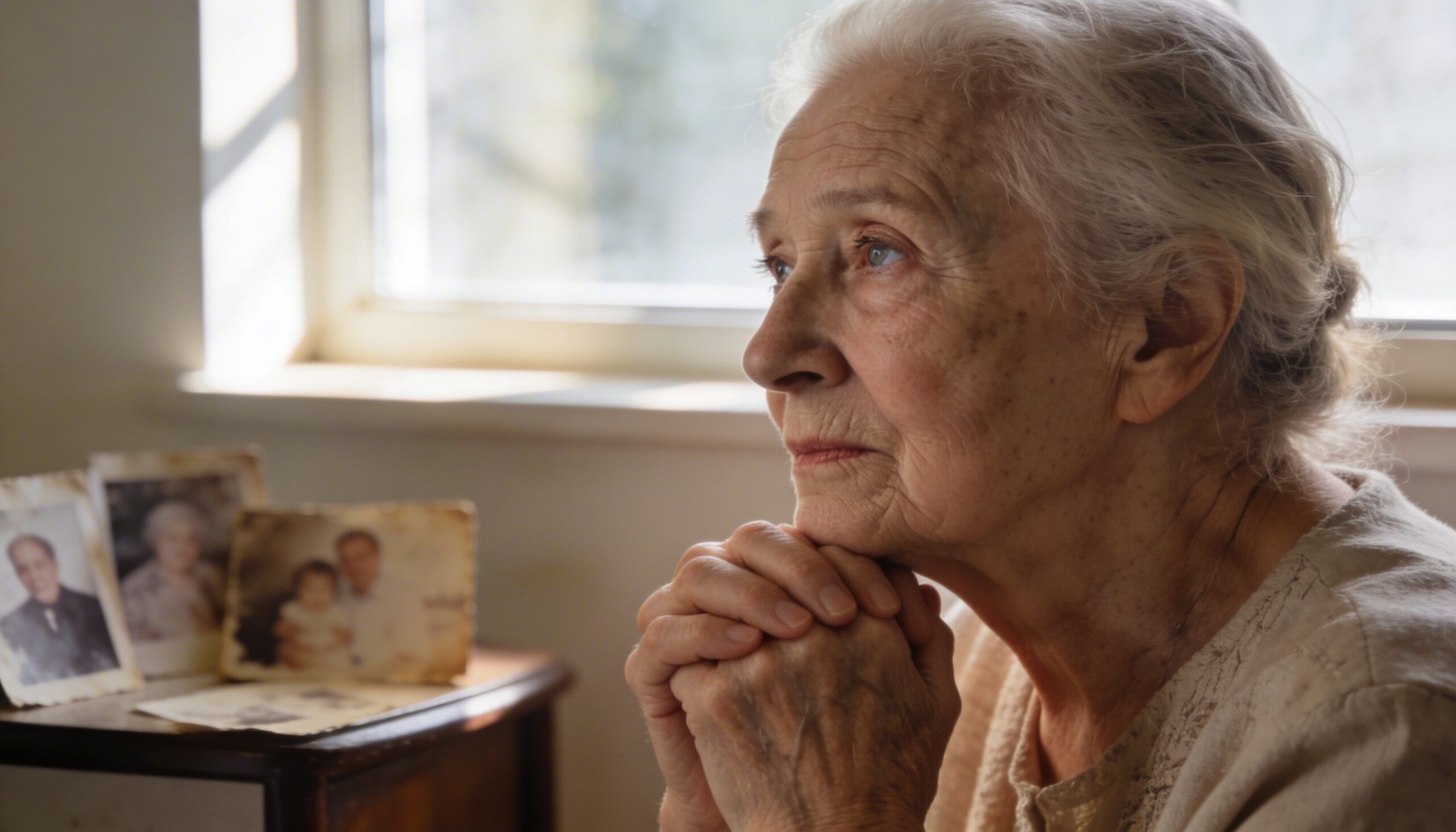
There is a difference between forgetting where you kept your glasses… and forgetting what glasses are used for.
Alzheimer’s disease does not arrive loudly. It enters quietly. At first, it may look like harmless forgetfulness repeating a story, misplacing keys, forgetting a date. Families often brush it aside. “It’s just aging,” we say.
But sometimes, it is more.
What Is Alzheimer’s Disease?
Alzheimer’s disease is a progressive brain disorder that affects memory, thinking, behavior, and eventually physical functioning. It is the most common cause of dementia in older adults.
The word progressive is important. This is not a sudden event. It is a gradual change that unfolds over years. Understanding that progression helps caregivers move from fear to preparedness.
Early Warning Signs: When Should We Be Concerned?
Normal aging may include occasional forgetfulness. Alzheimer’s begins to interfere with daily life.
Some early warning signs include:
- Repeatedly asking the same questions
- Forgetting recently learned information
- Difficulty completing familiar tasks (like following a known recipe)
- Trouble finding words
- Misplacing objects in unusual places
- Getting lost in familiar surroundings
- Noticeable changes in mood or personality
- Poor judgment in everyday decisions
I once met a neighbor caring for her mother who would prepare coffee but forget to add water. At first, they laughed. Later, it became frightening. The shift from “small mistakes” to “functional disruption” is often the turning point.
If you suspect something is wrong, seek medical evaluation. Some conditions like vitamin deficiencies, thyroid issues, or depression can mimic dementia. Early diagnosis gives families time – time to plan, time to adjust, time to understand.
The Stages of Alzheimer’s
Though every individual is different, Alzheimer’s generally progresses in three broad stages:
1. Early Stage (Mild)
- Mild memory lapses
- Subtle personality changes
- Difficulty with complex tasks
- Still largely independent
This stage is emotionally confusing. The person knows something is wrong. The family senses change but may struggle to name it.
2. Middle Stage (Moderate)
- Increased confusion
- Difficulty recognizing familiar people
- Trouble managing daily activities
- Possible wandering
- Behavioral changes
This stage often places the greatest strain on caregivers.
3. Late Stage (Severe)
- Significant memory loss
- Limited speech
- Inability to perform basic activities
- Complete dependence
Knowing these stages does not make the journey easier. But it makes it less shocking.
The Emotional Side of Understanding
One of the hardest parts of Alzheimer’s is that the body may appear healthy while the mind changes.
You may grieve while the person is still physically present. You may miss conversations that are no longer possible. You may feel frustration and then guilt for feeling frustrated.
Understanding the disease helps reduce blame.
This is not stubbornness.
This is not laziness.
This is not intentional forgetfulness.
It is a medical condition affecting the brain.
And knowledge is the first act of compassion.